Dar Arafa Architecture Blog

At Dar Arafa Architecture, we see design not only as a profession but as a journey of continuous learning, sharing, and reflection. As an Egyptian architectural design office, we are deeply committed to supporting designers and architects within our community and beyond. The Dar Arafa Architecture Blog is an extension of that commitment, a space where we document, archive and share our activities, thoughts, and contributions.

A Culture of Knowledge and Growth

We believe that great design is cultivated through well-rounded experiences. That’s why we engage in diverse activities lectures, workshops, and collaborative events that broaden our team’s horizons and empower them with knowledge. Through these initiatives, we aim to nurture not only technical expertise but also the holistic growth of designers who contribute meaningfully to the built environment.

Tradition as Inspiration

Our work is anchored in the richness of Egyptian tradition, which we see as a gateway to thoughtful and innovative design. By revisiting and reinterpreting heritage, we create architectural expressions that are both contemporary and deeply rooted in cultural identity.

Archiving and Sharing

We also see value in documenting our journey from events and workshops to design explorations and reflections. This blog will serve as a living archive of our activities, offering valuable resources to students, architects, and anyone interested in the evolving conversations around design in Egypt and beyond.
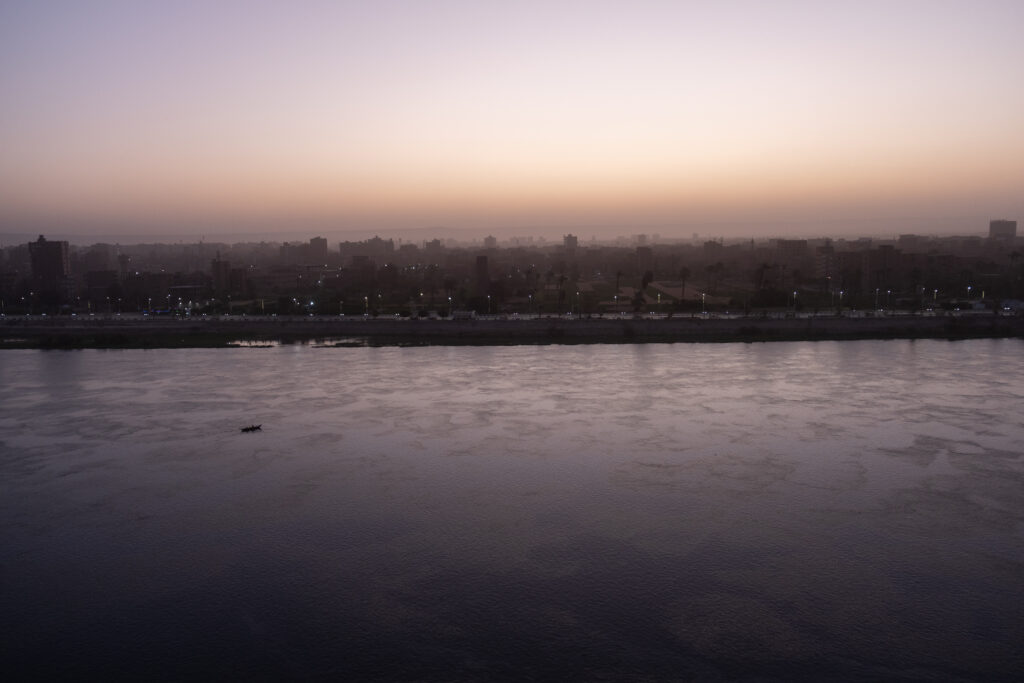
A trip to Sohag

2025 04 11 – Sohag, Egypt.

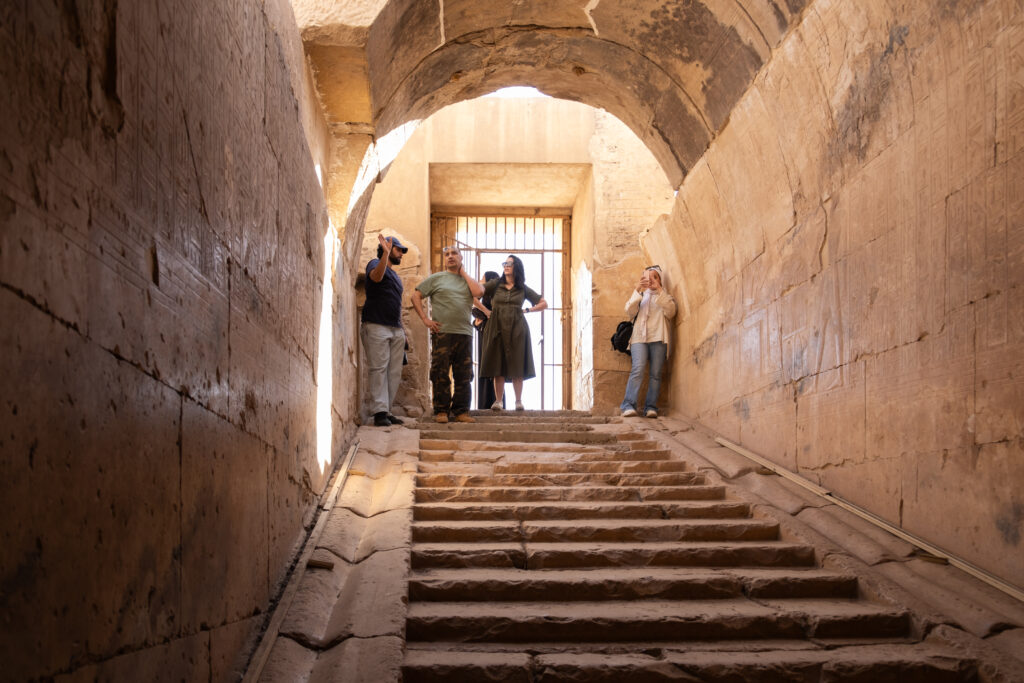
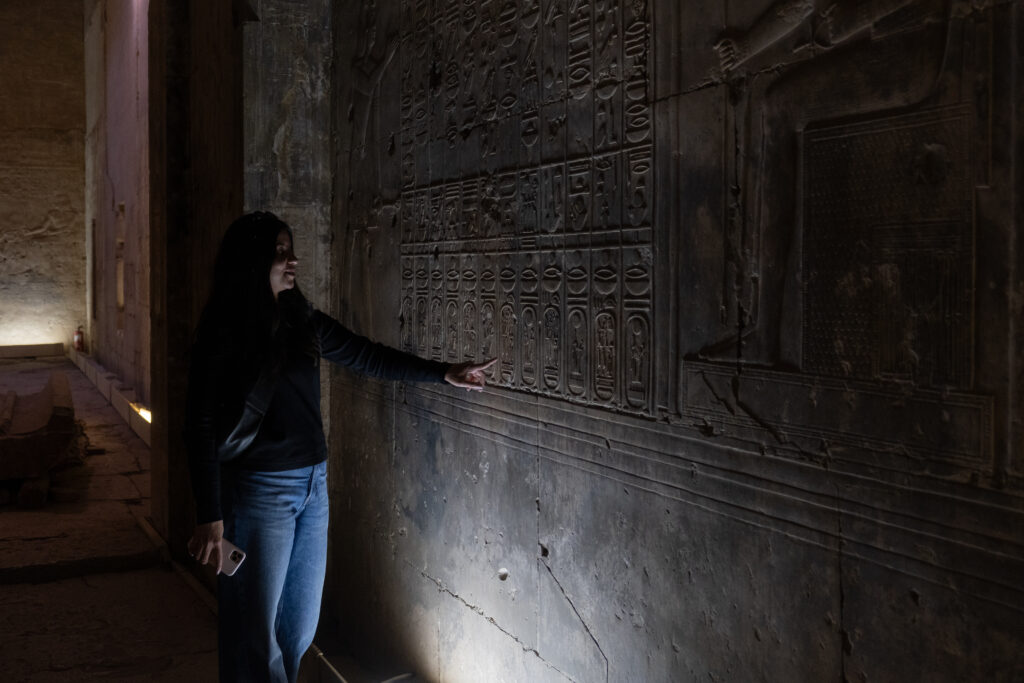
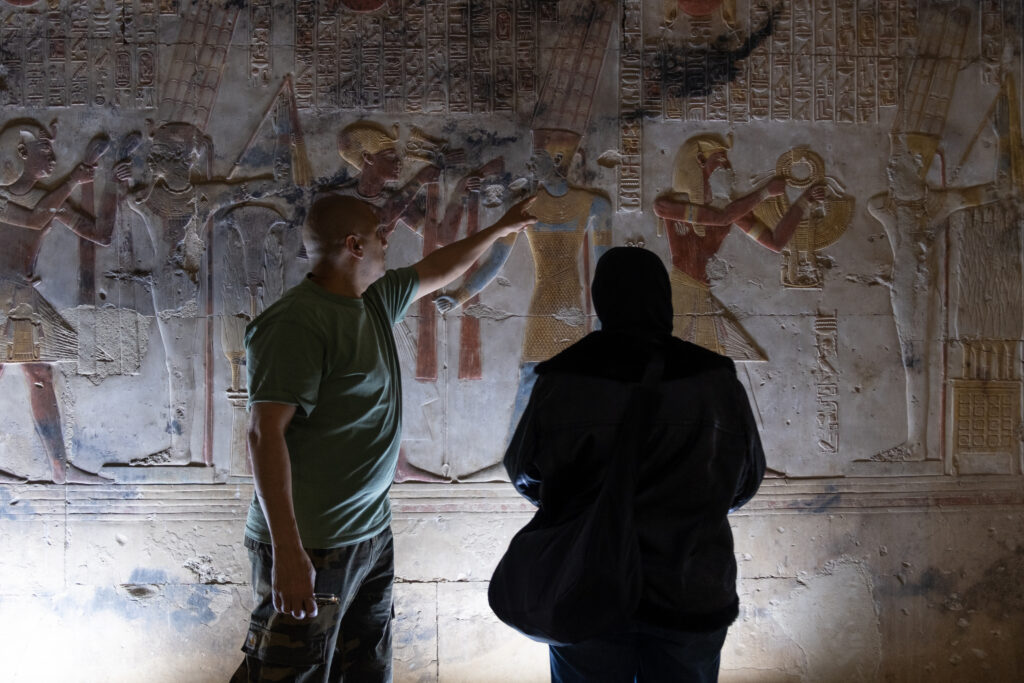
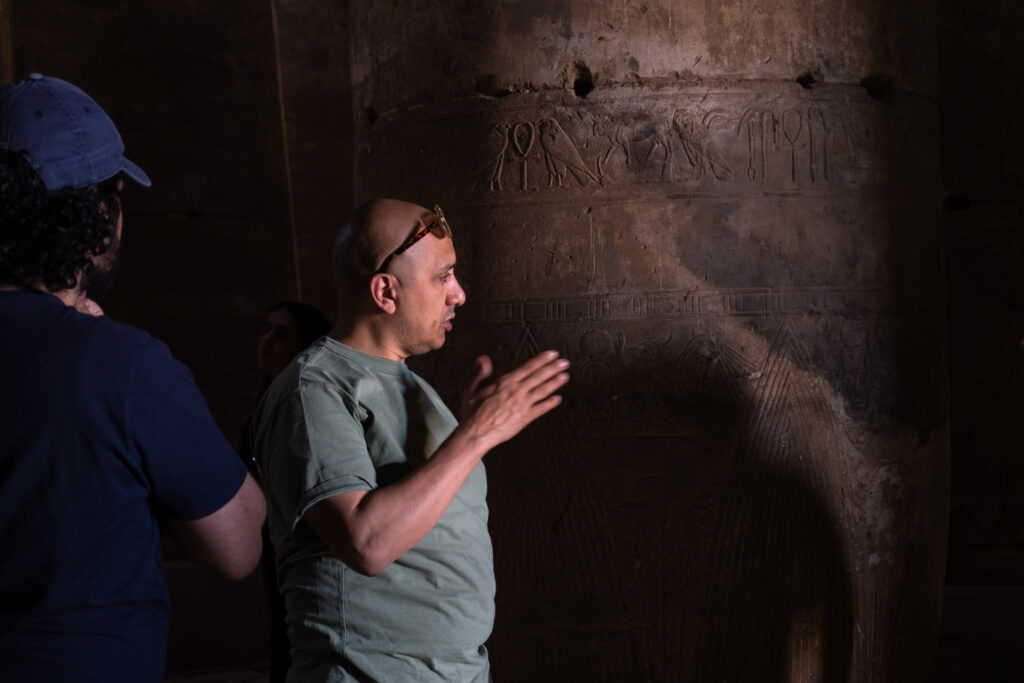
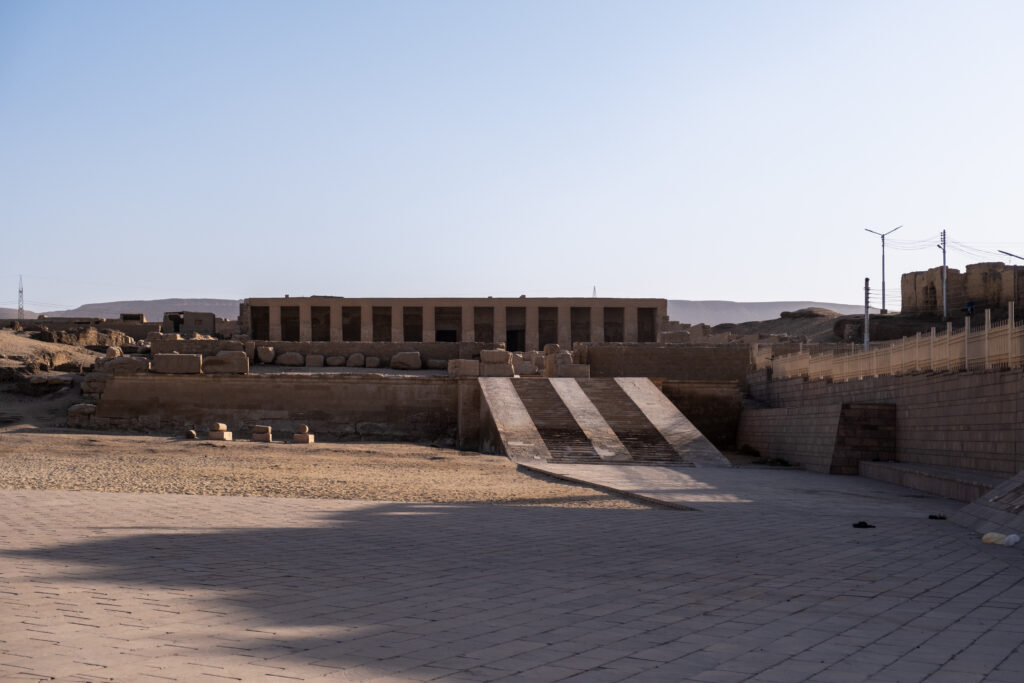
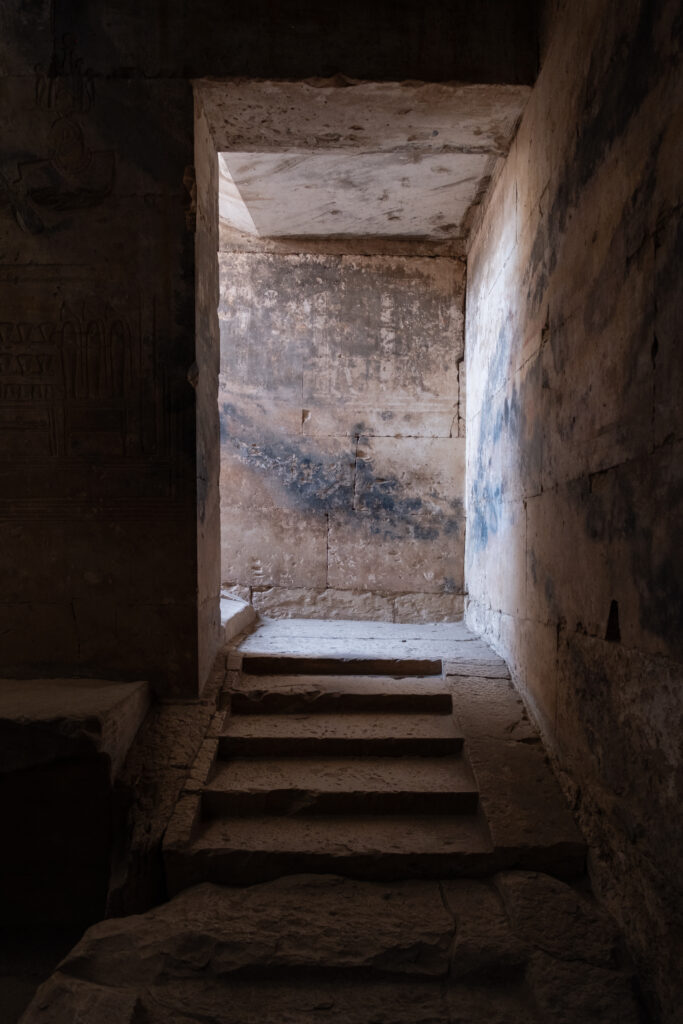
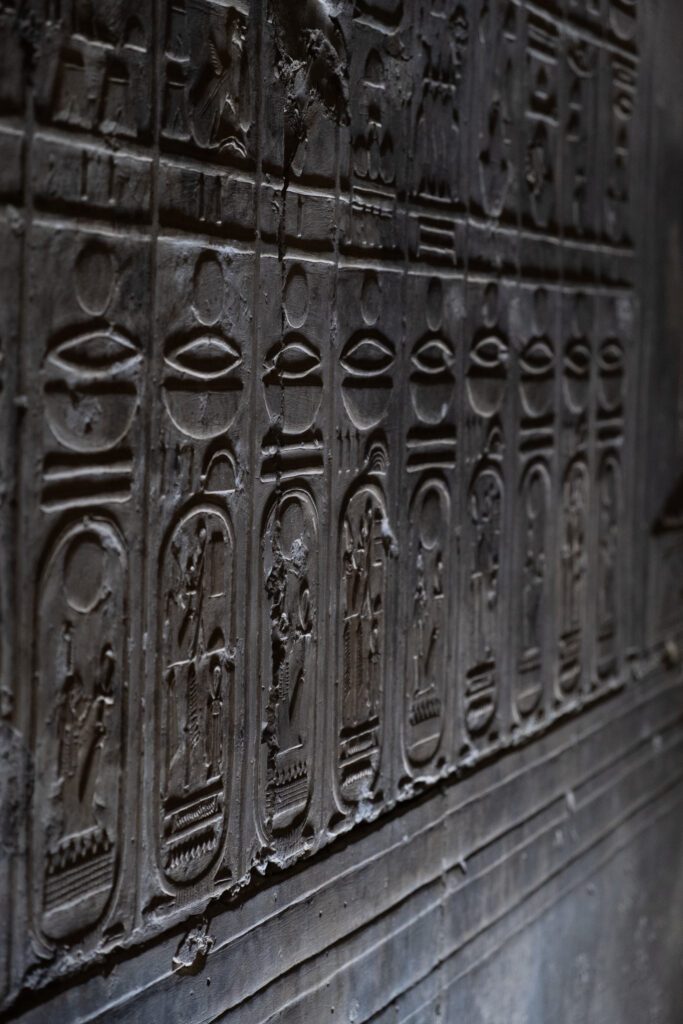
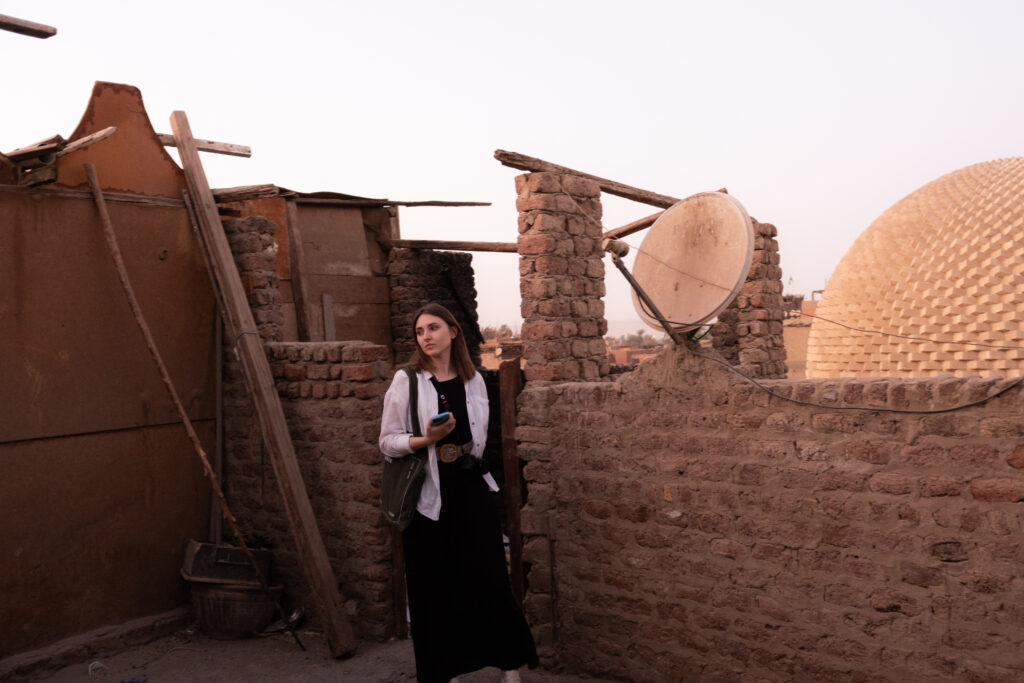
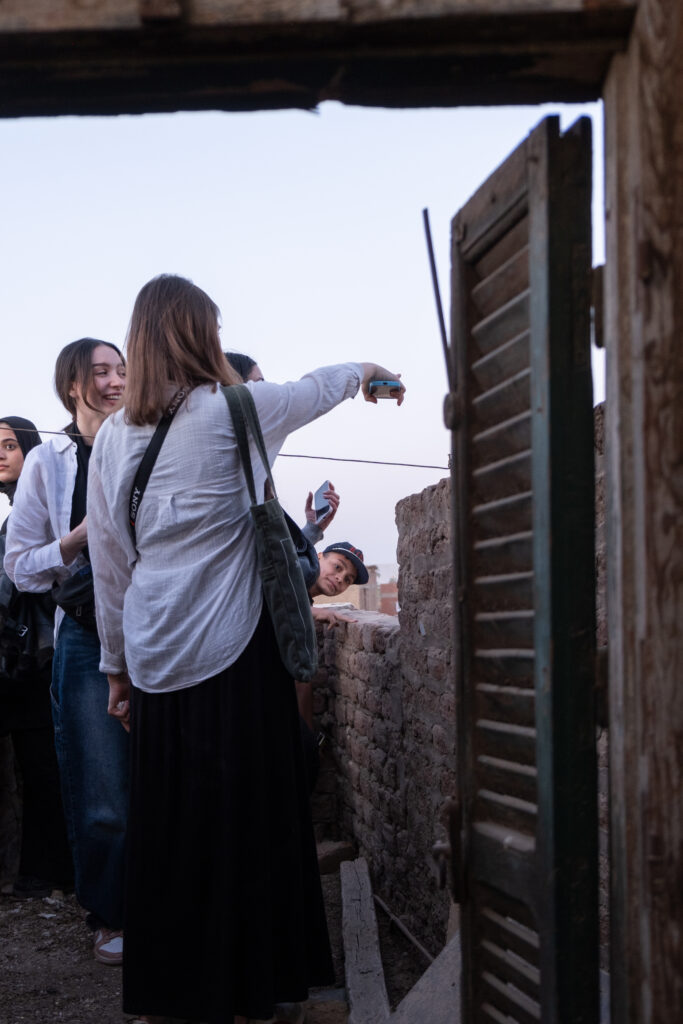
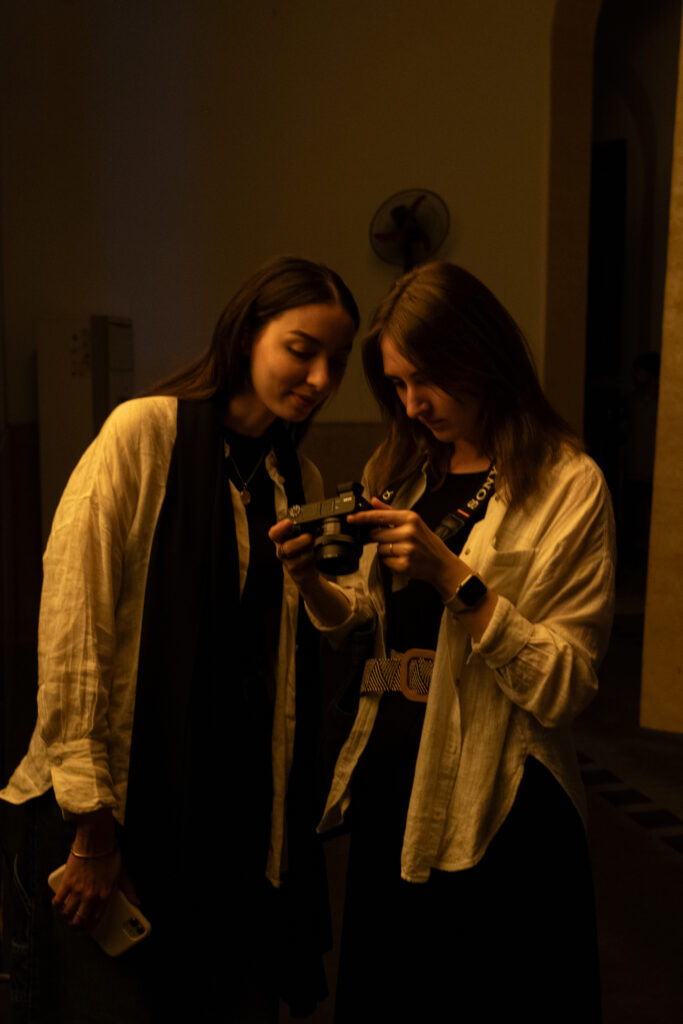
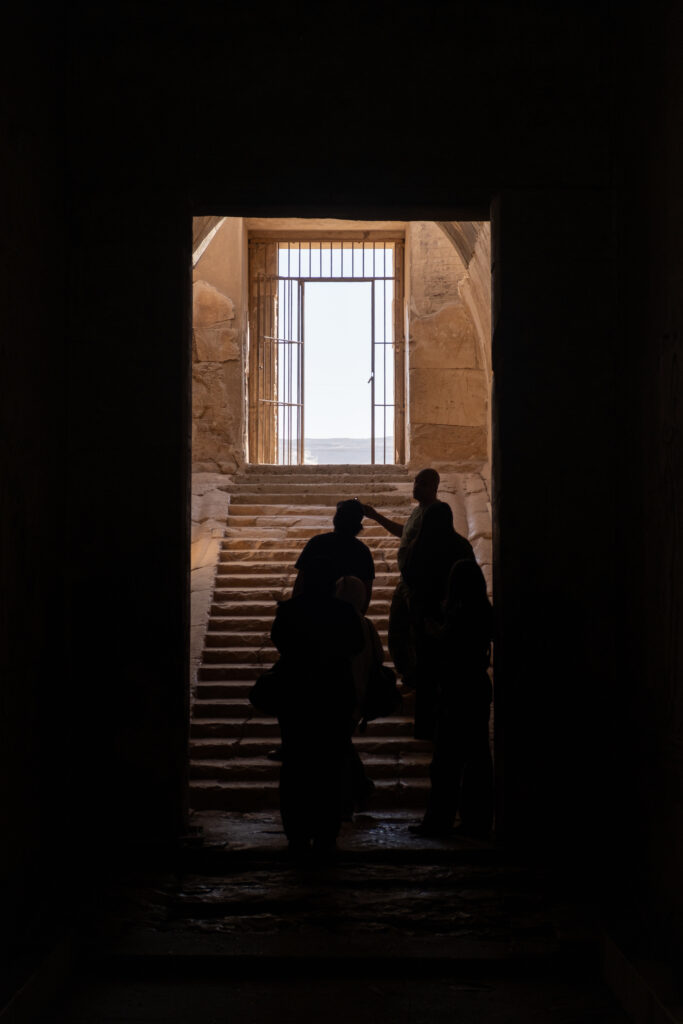
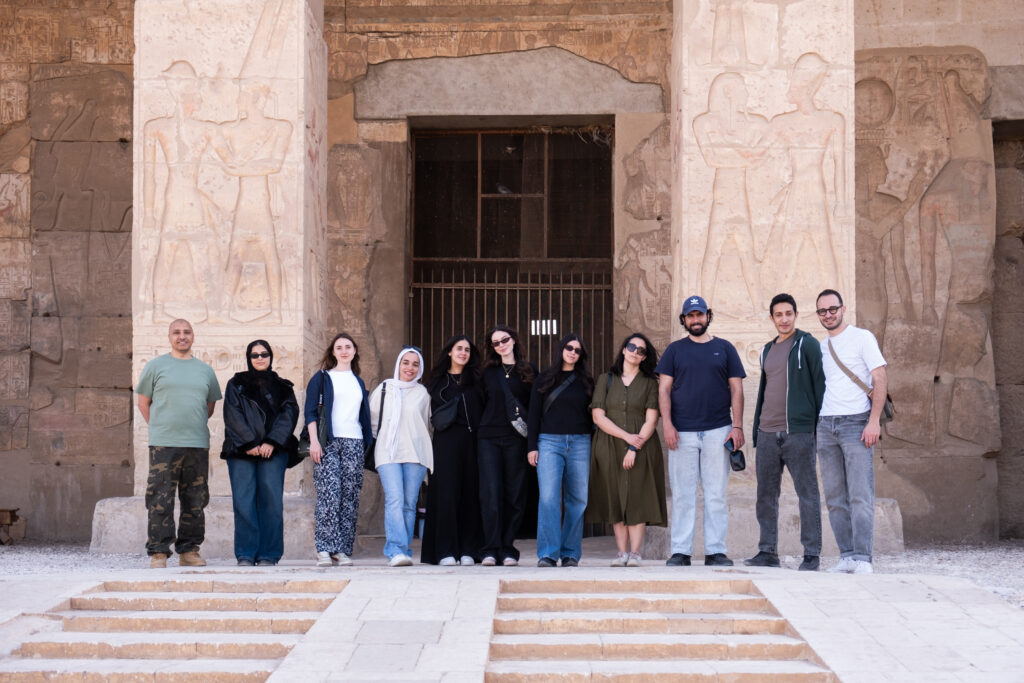
Our journey to Sohag began with an unforgettable visit to the Temple of Abydos, an experience that opened our eyes to the brilliance of ancient Egyptian craftsmanship. Wandering through its sacred halls, we traced the delicate hieroglyphs carved into stone and marveled at the harmonious proportions that still command awe today. The team found themselves deep in discussion, exchanging insights on the temple’s architecture, the stories hidden in its scripts and the mastery behind every detail. Not just an exploration of history, but a conversation across millennia.

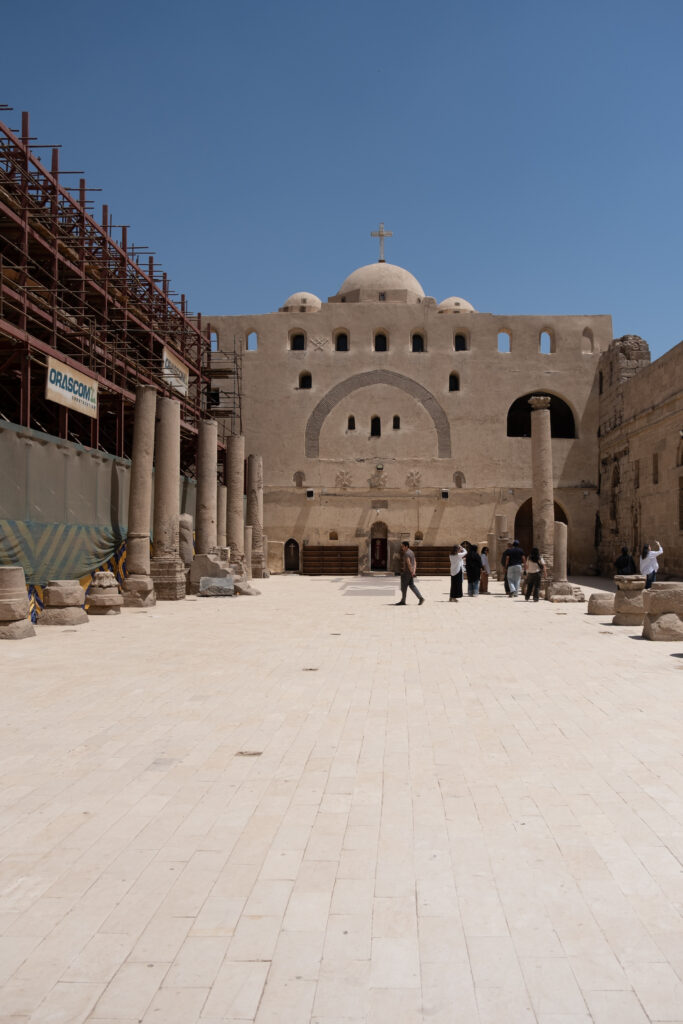
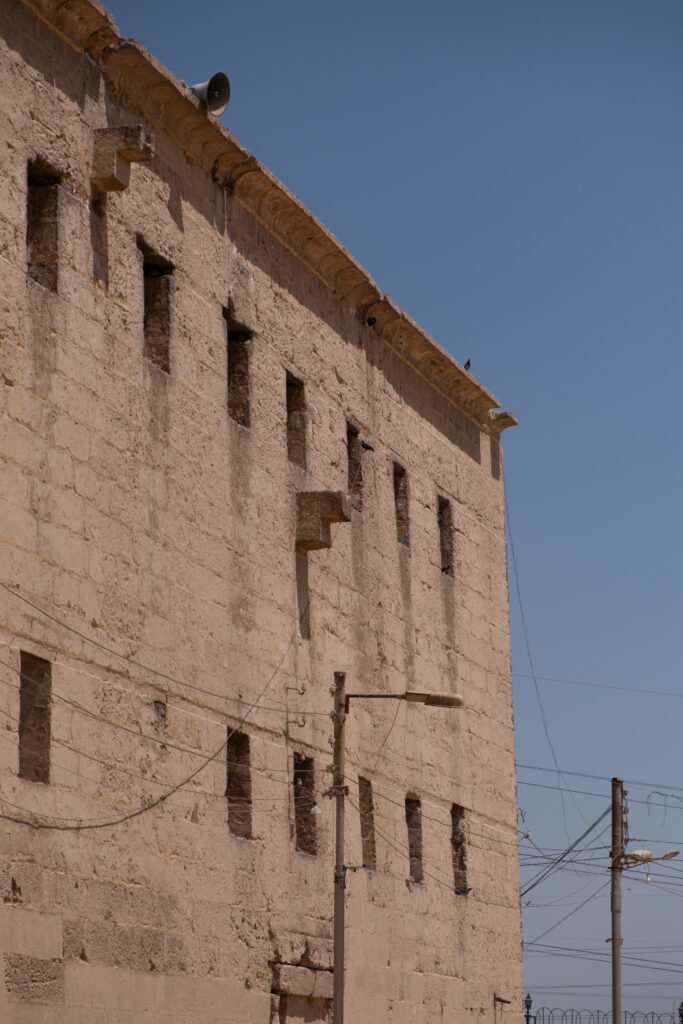
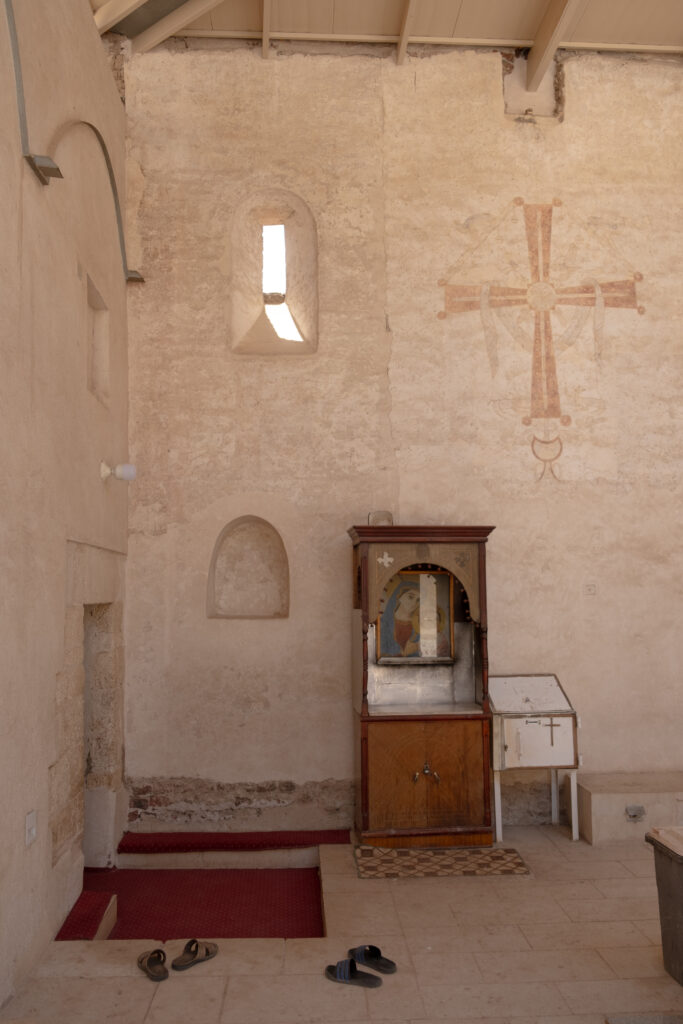
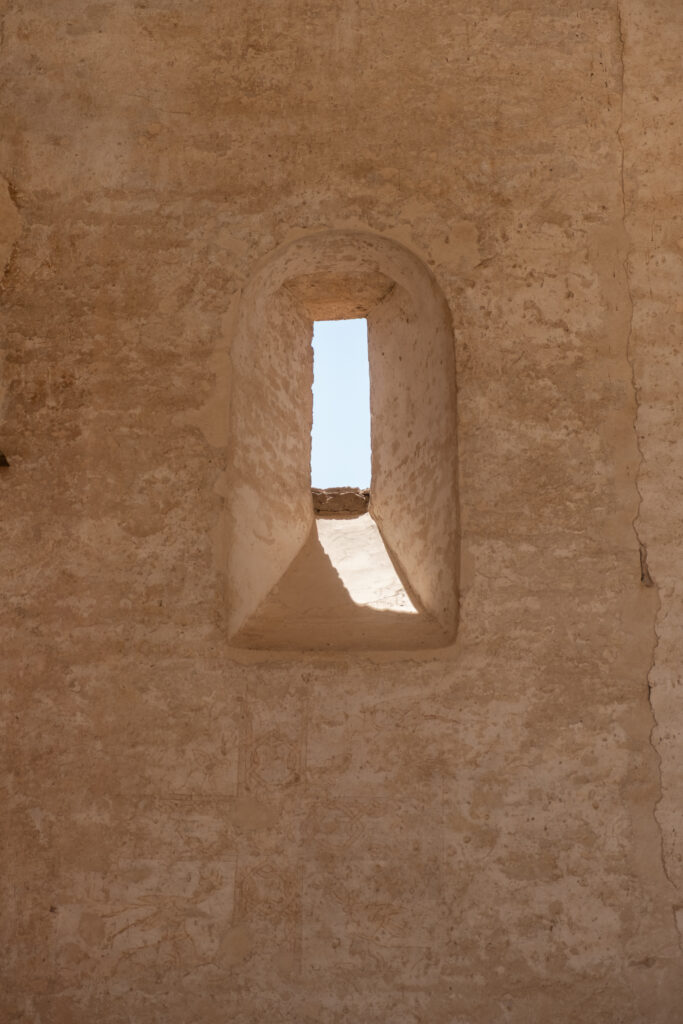
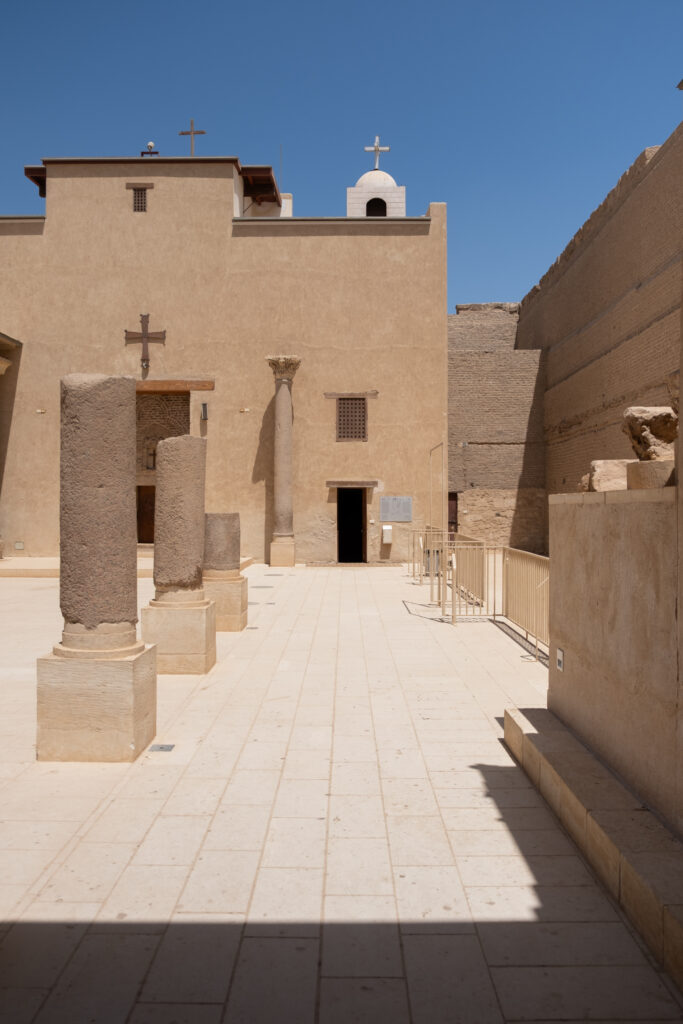
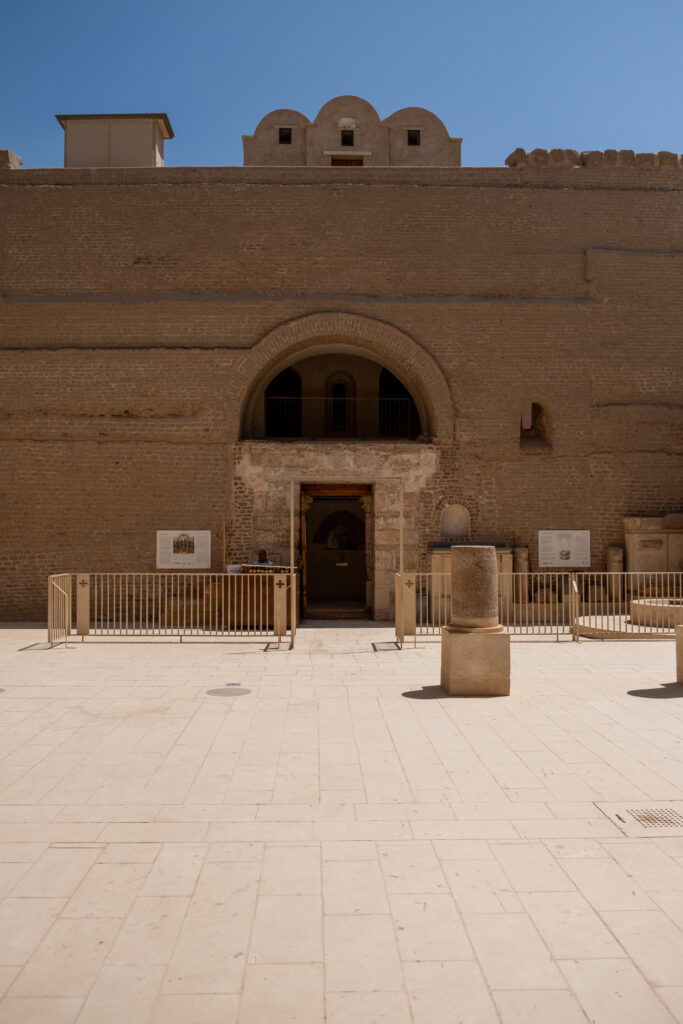
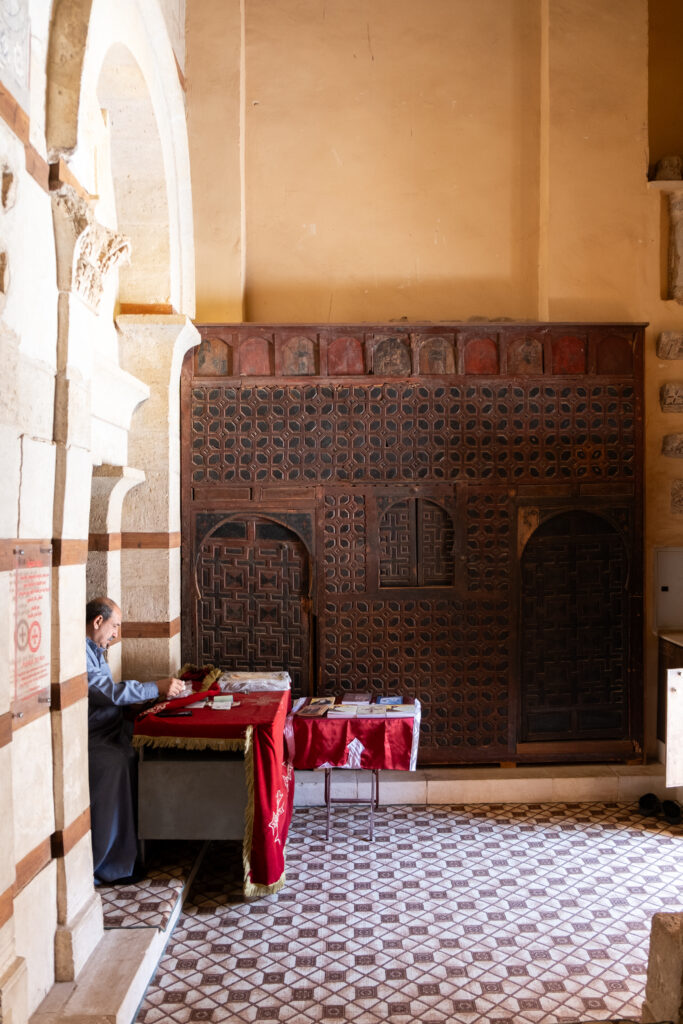
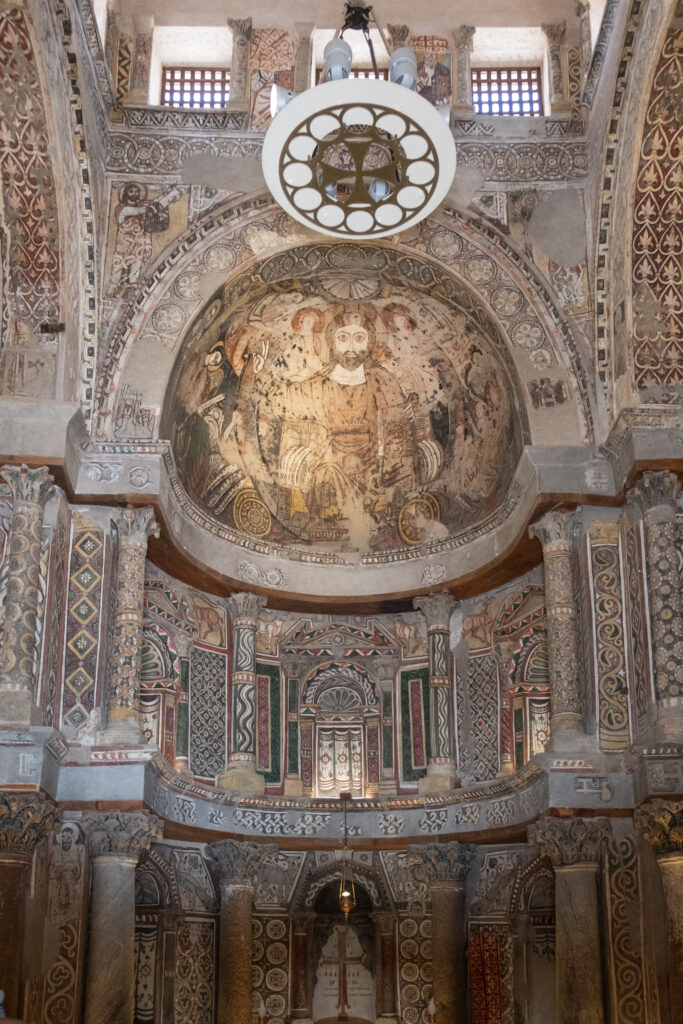
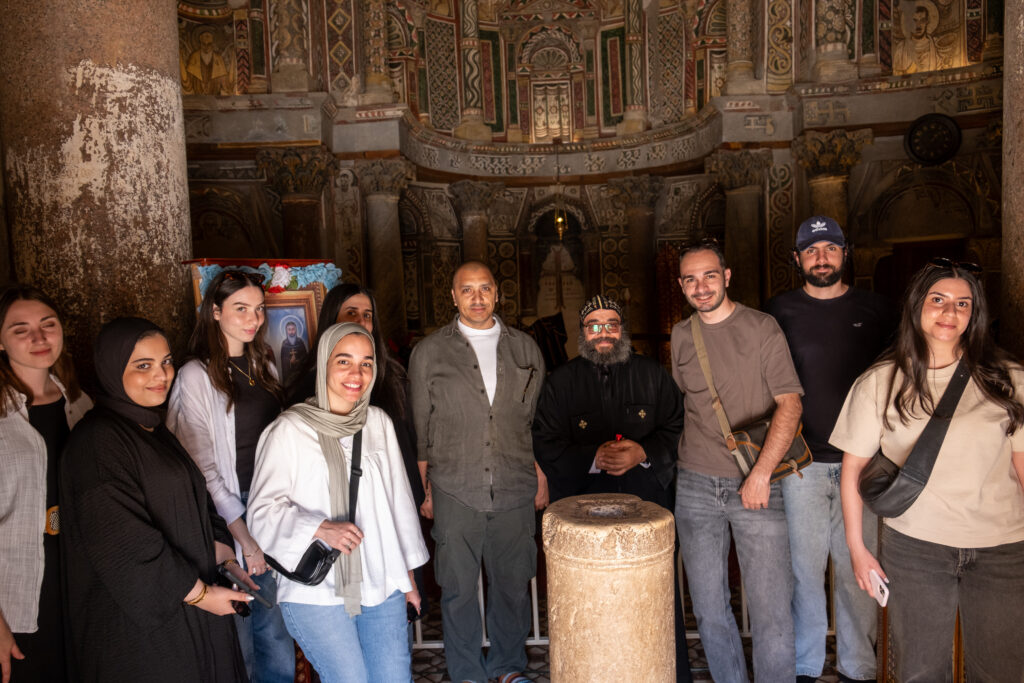
The next day, our path led us to the Red and White Monasteries, two of the most remarkable and best-preserved monastic churches in all of Egypt. Standing on the edge of civilization near the village of Sohag, they rise like guardians of history amid what is considered one of the richest surviving Coptic archaeological sites.

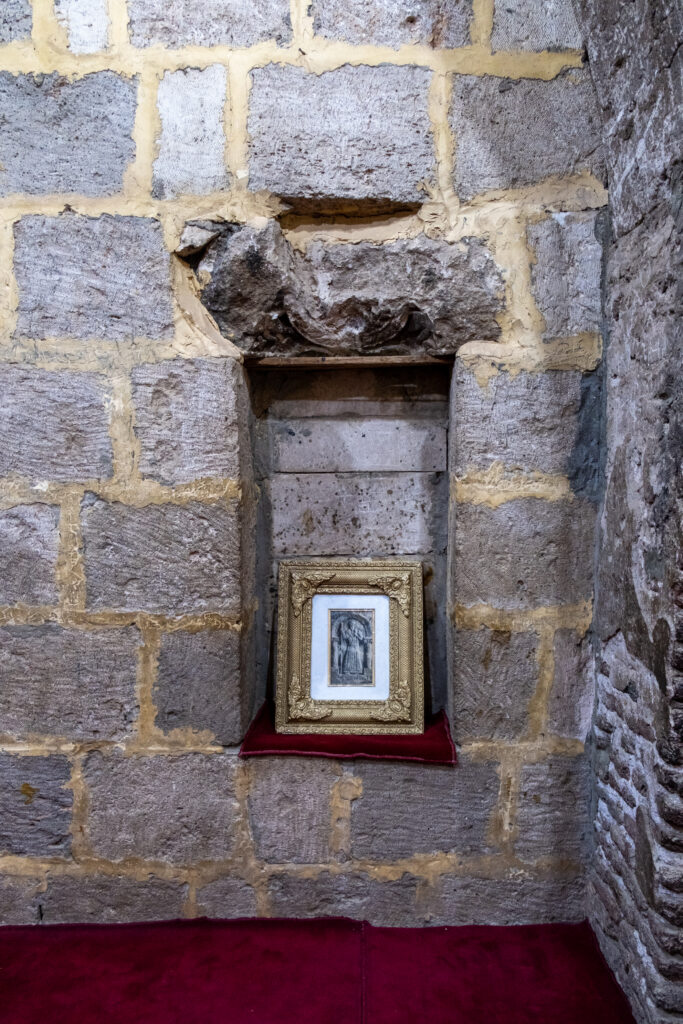
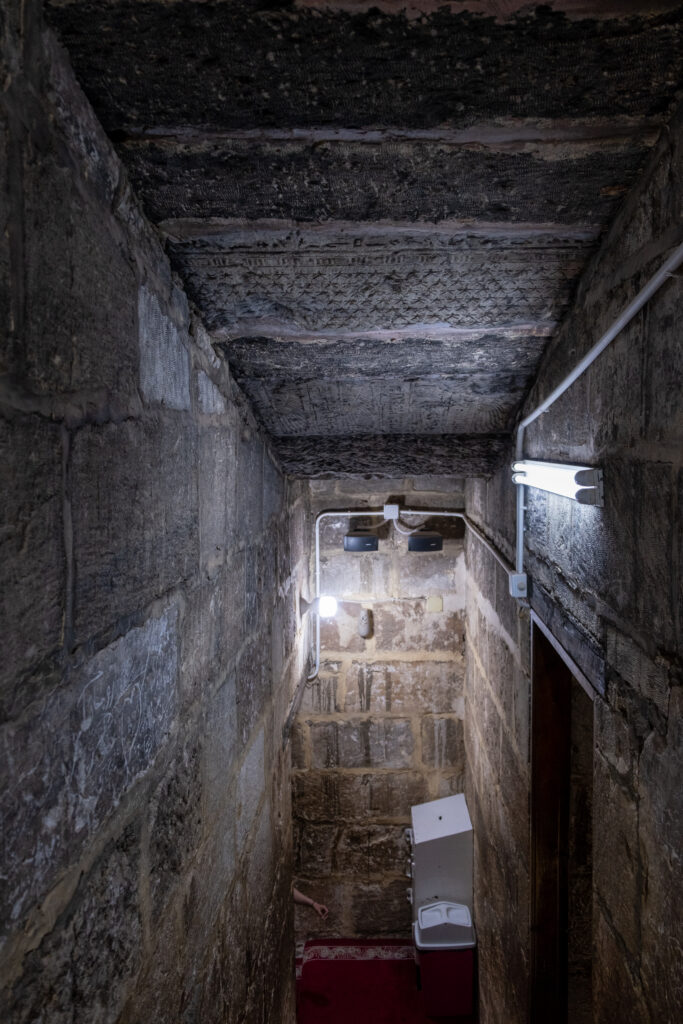
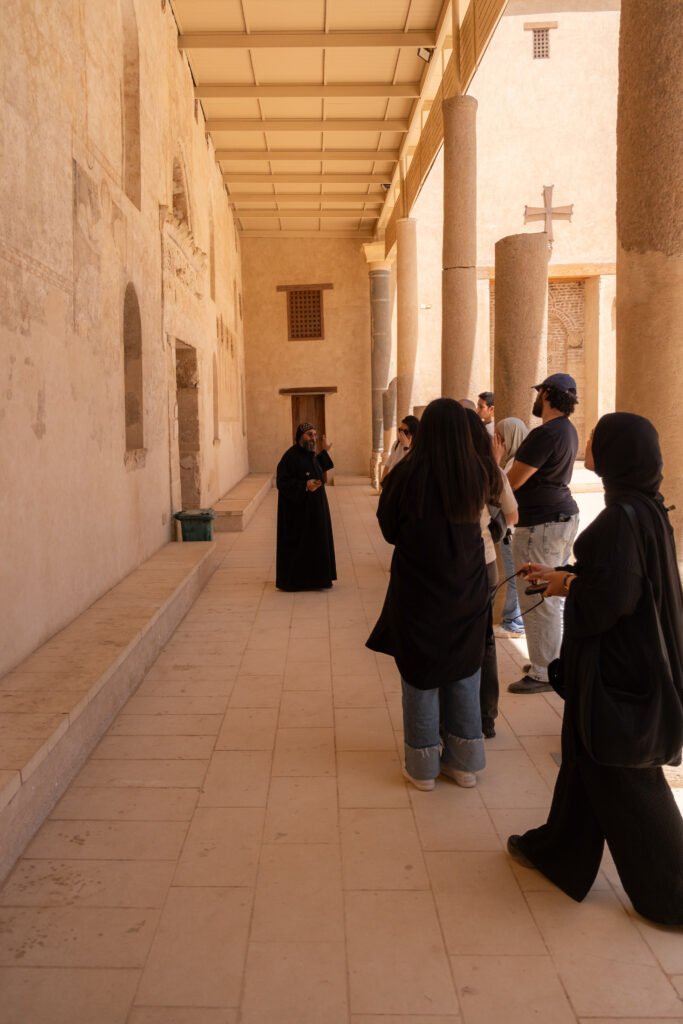
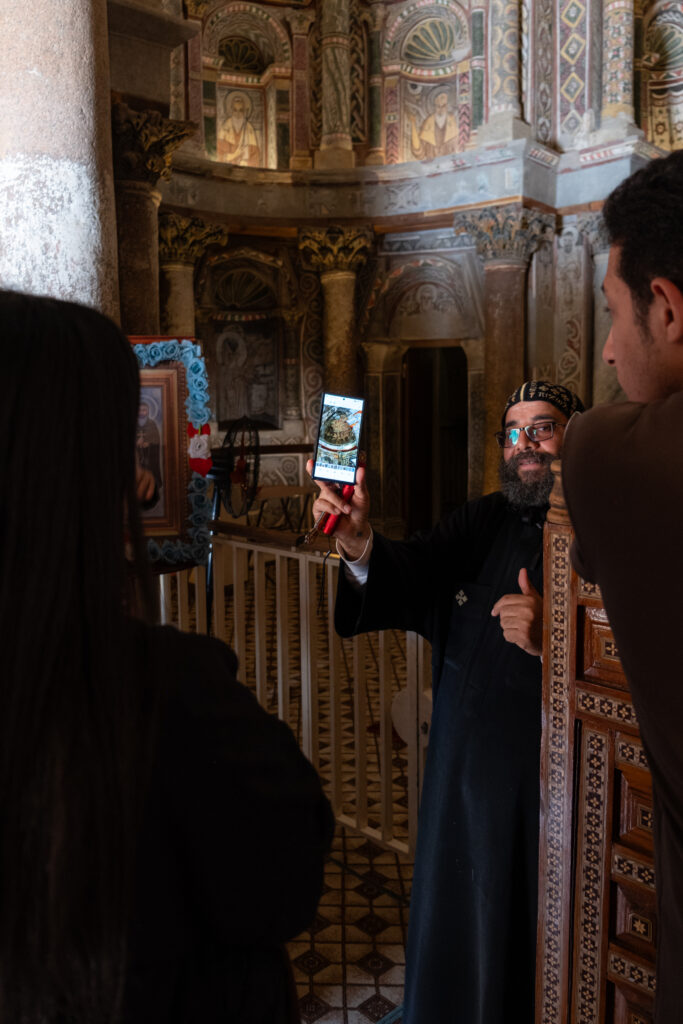
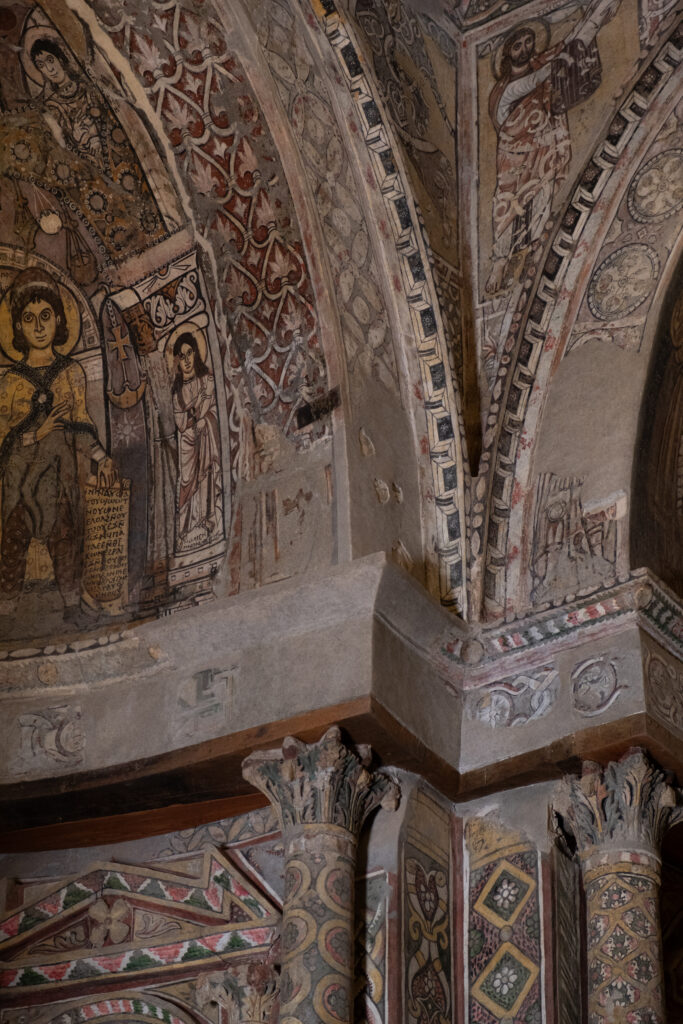
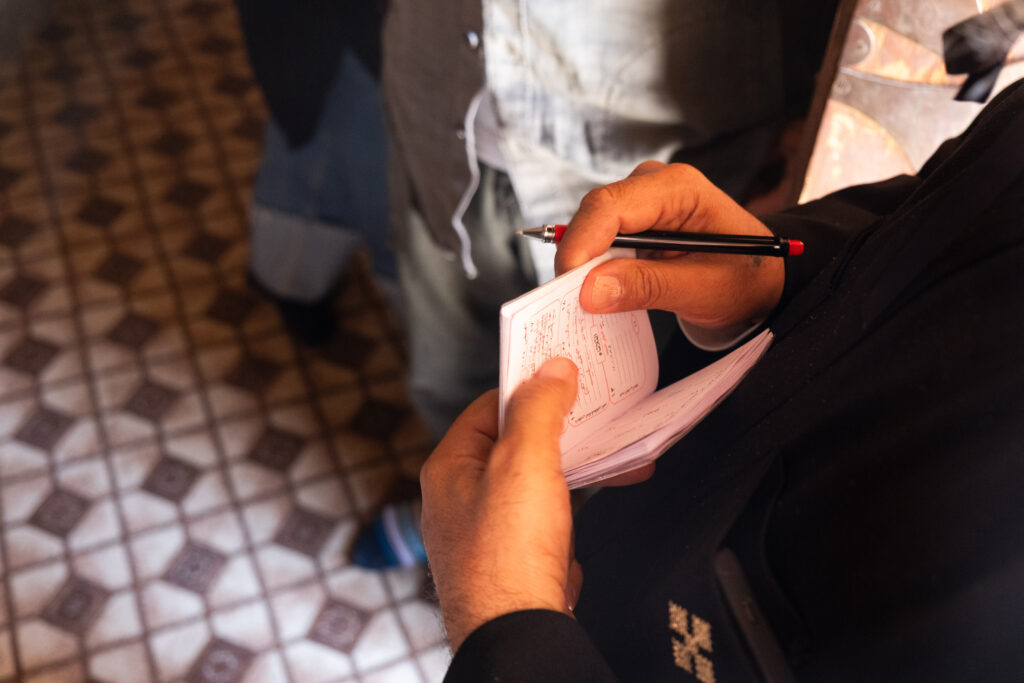
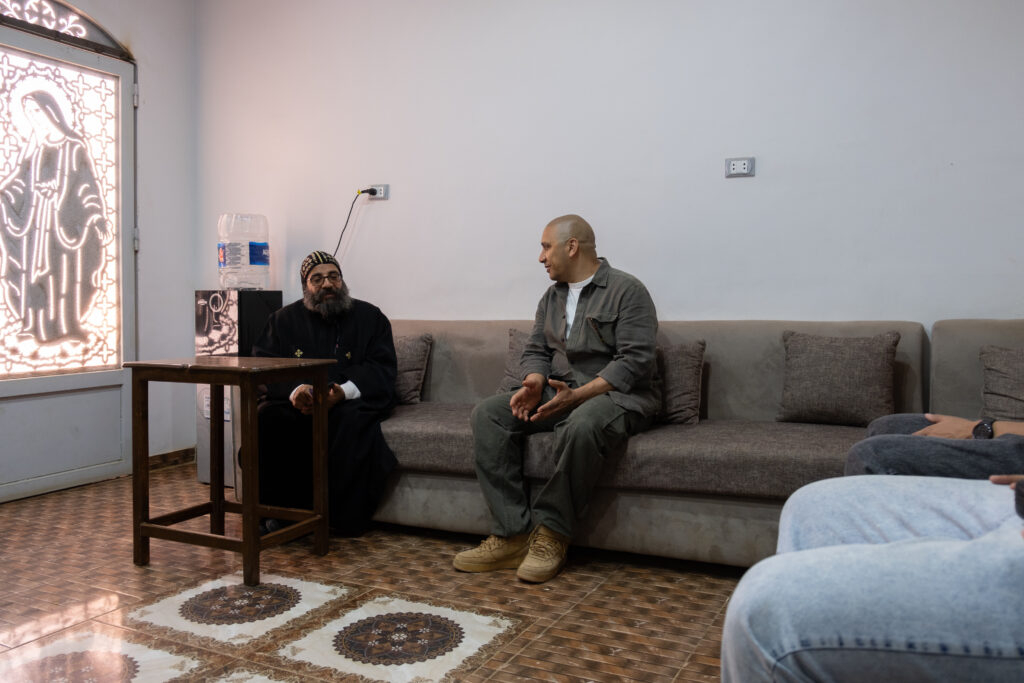
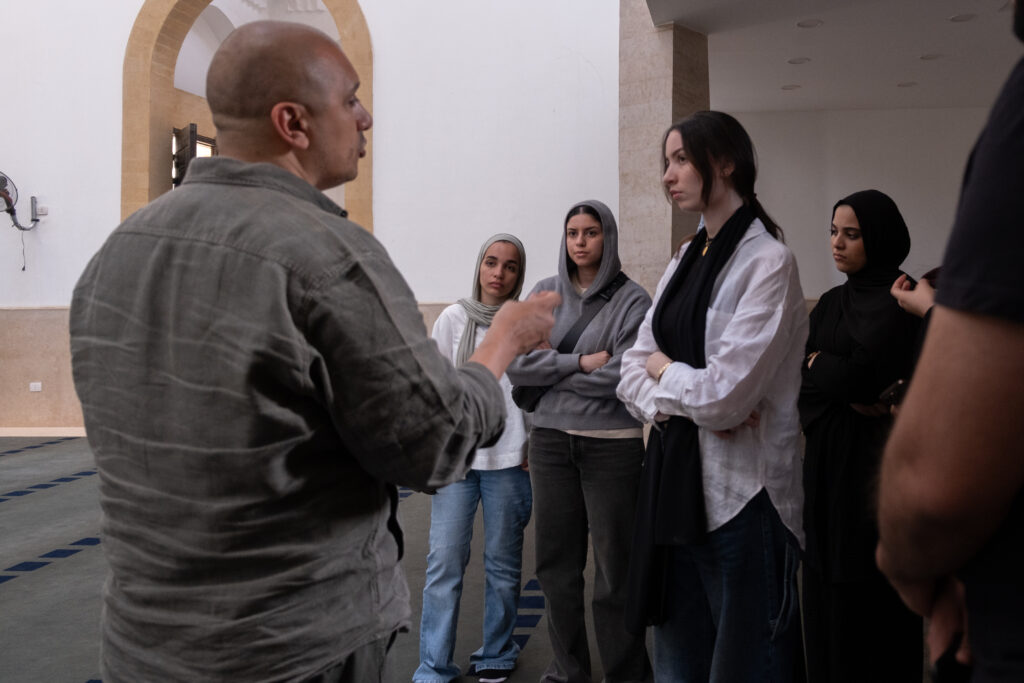
Inside, we witnessed the delicate artistry of restoration work, where centuries-old walls and frescoes are being carefully revived. Just as memorable were the conversations we shared with the priest responsible for the site, whose insights added a personal and spiritual layer to our visit. It was a rare glimpse not only into the past, but into the living tradition that continues today.
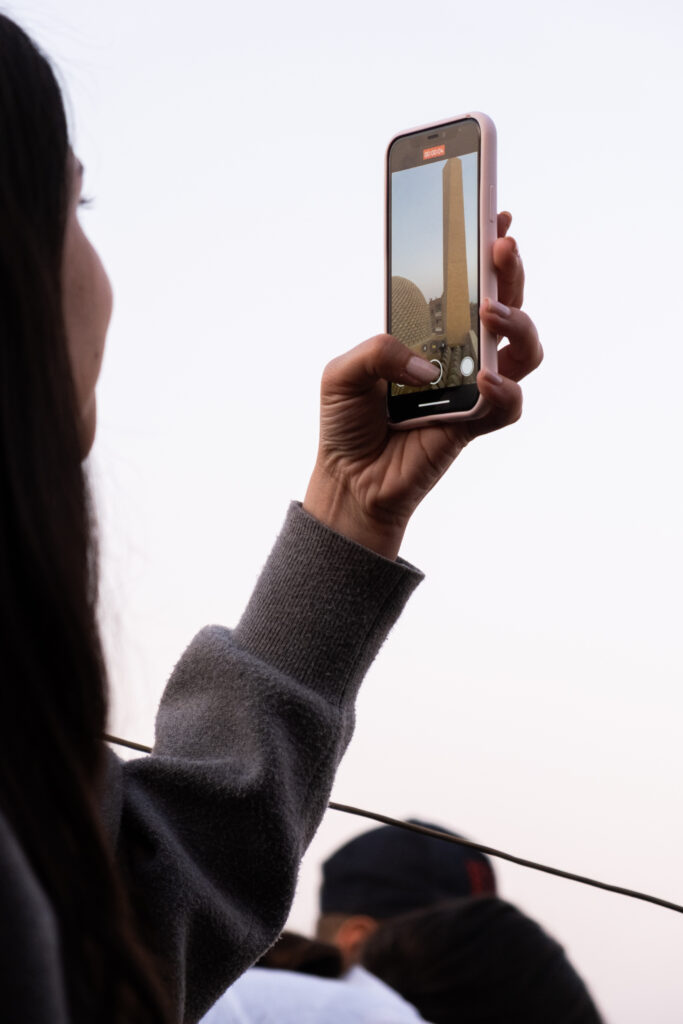
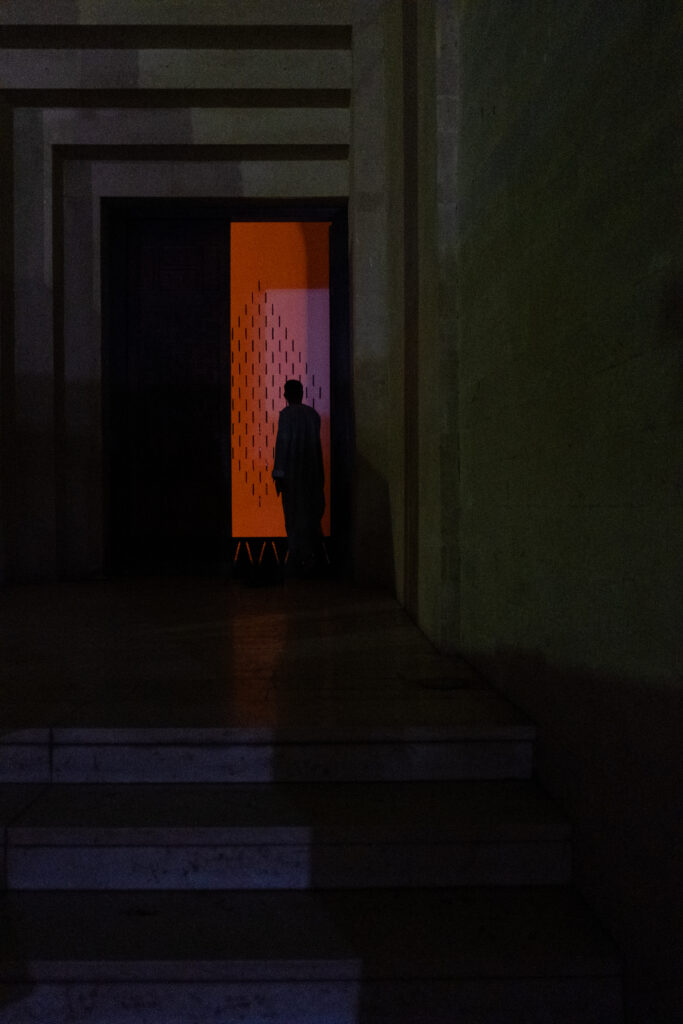
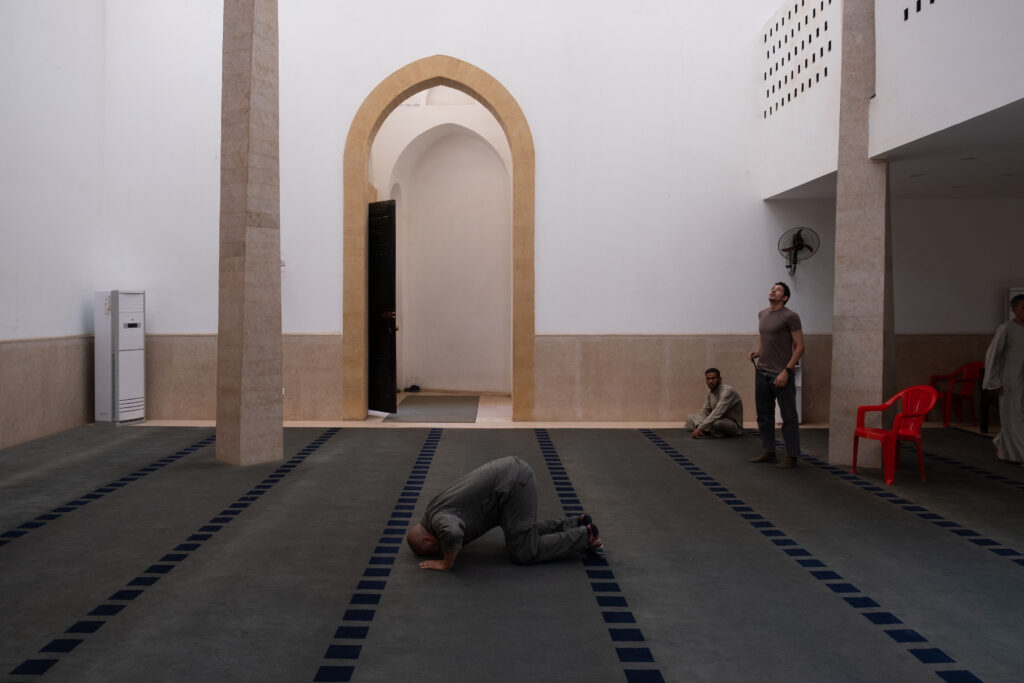
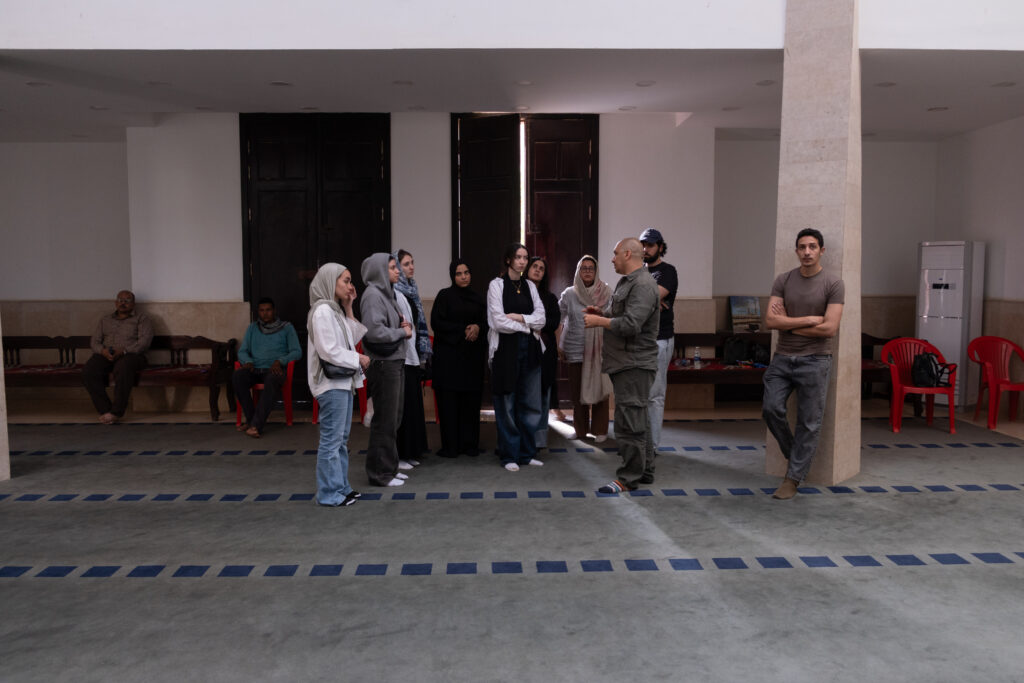
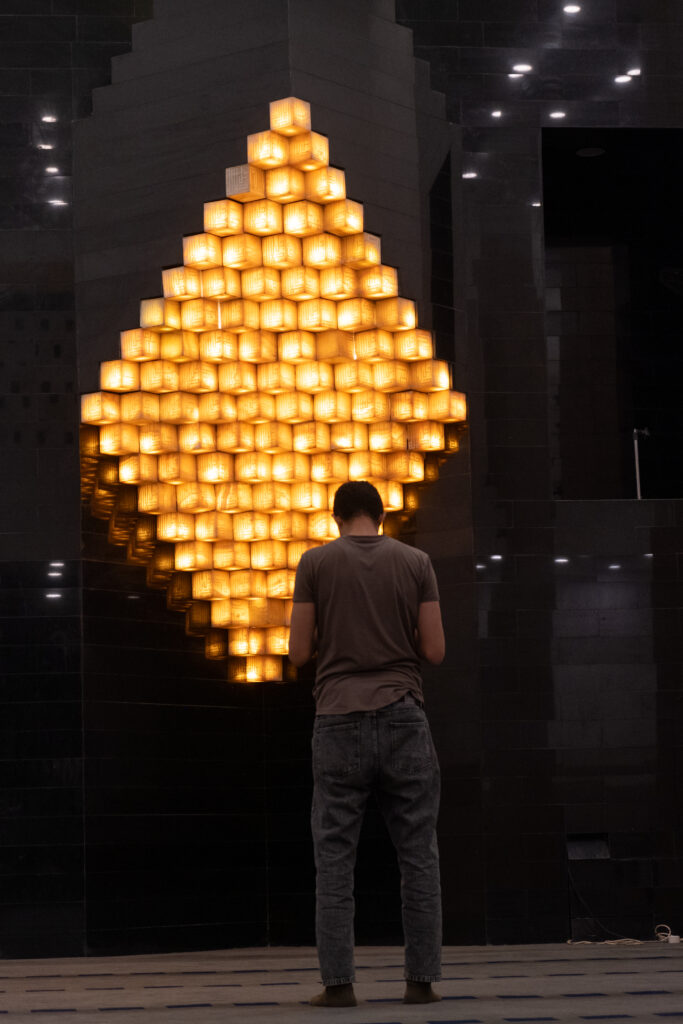
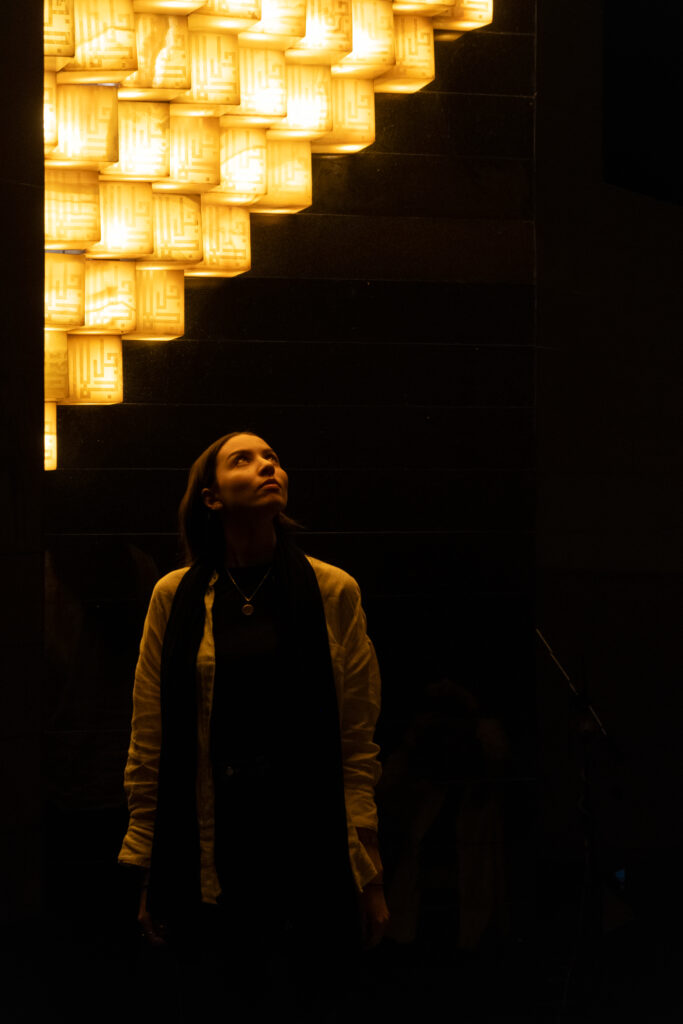
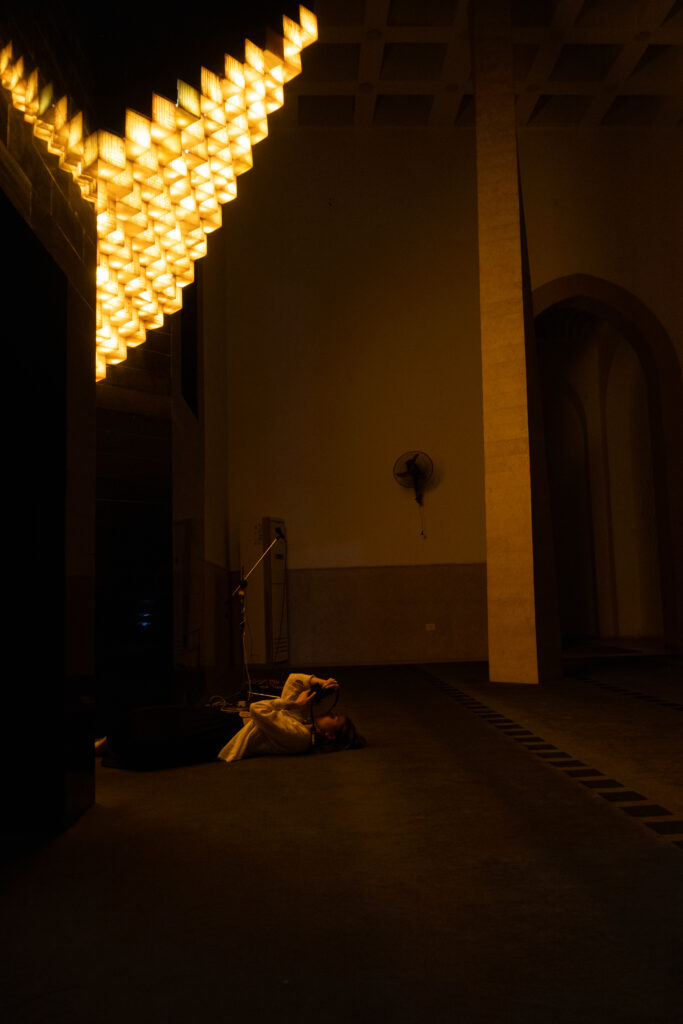
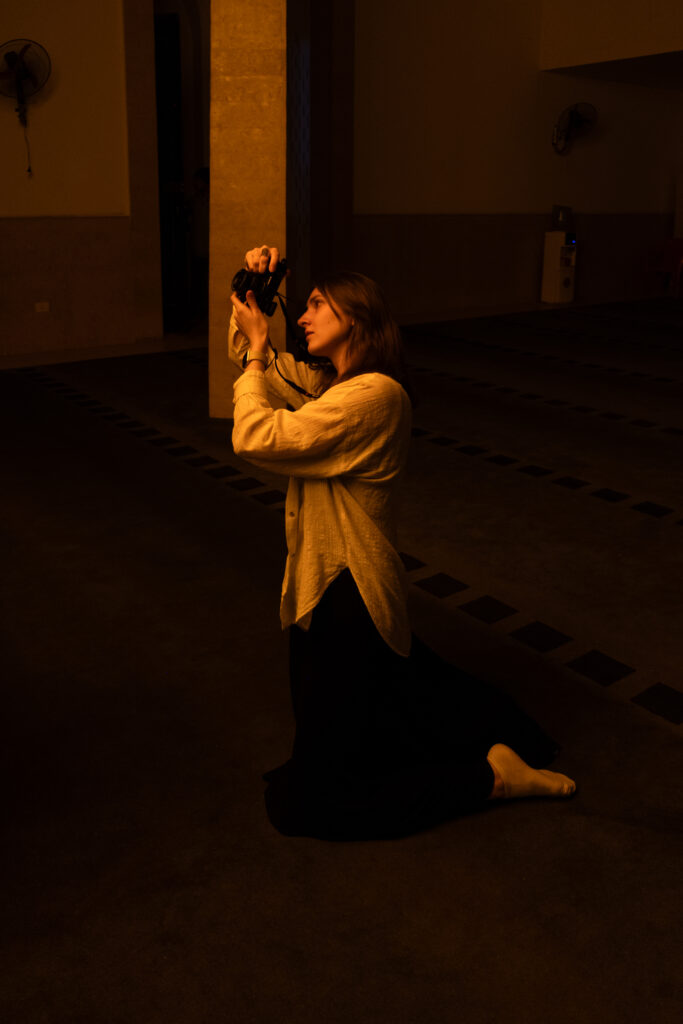
On the following day, the journey took us to Basuna village, where we revisited our award-winning Basuna Mosque project. Walking through the space gave the team a moment to pause and reflect on the design and construction journey, on the challenges we faced, the choices we made and the lessons learned along the way.

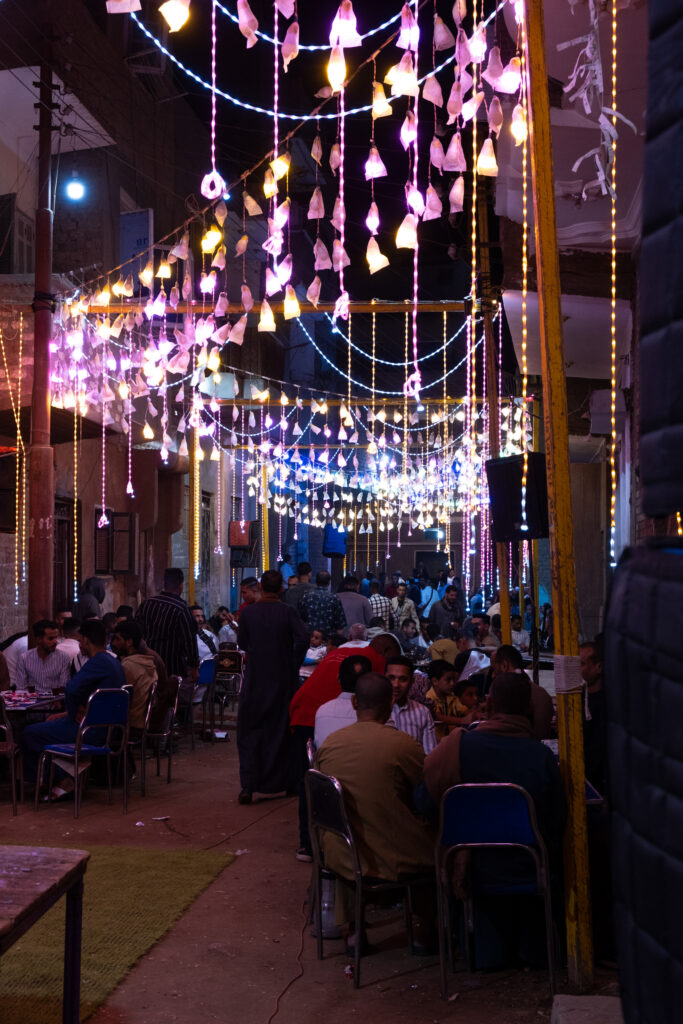
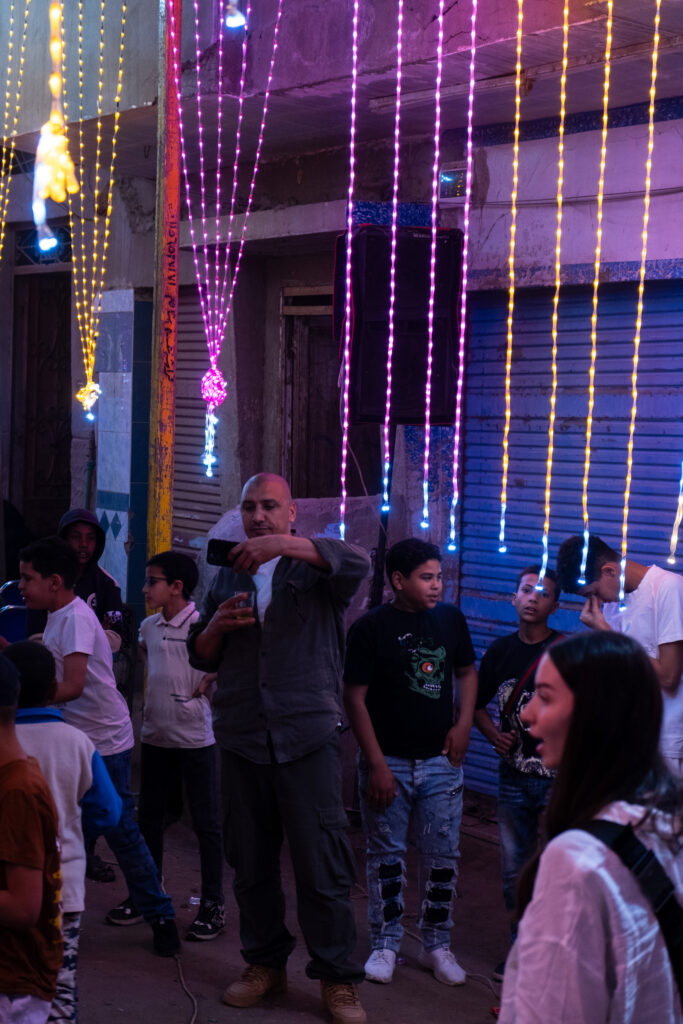
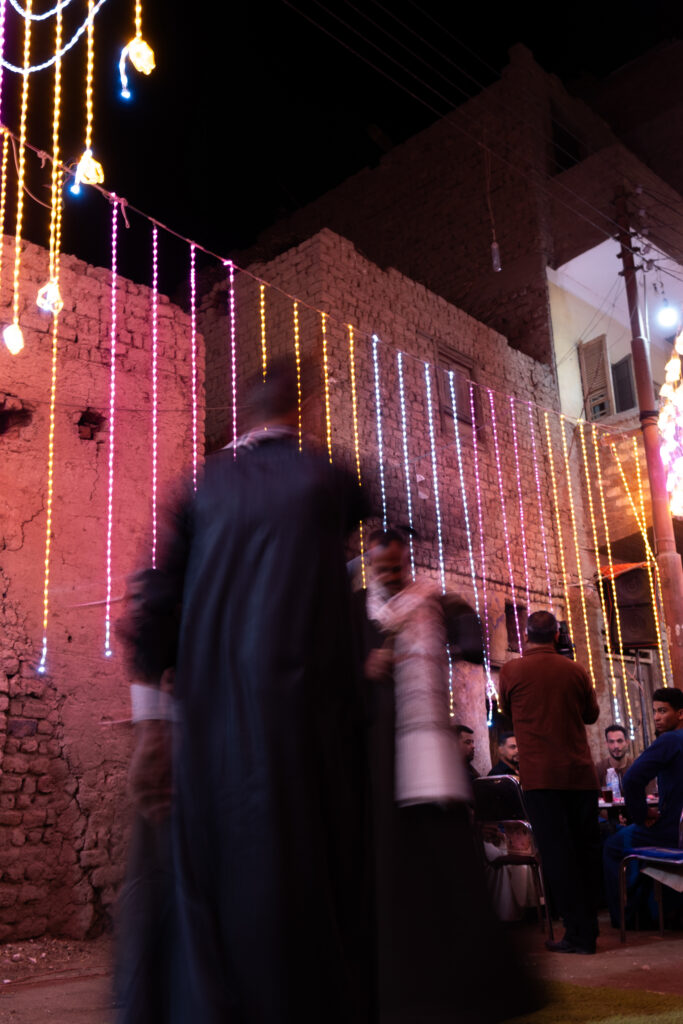
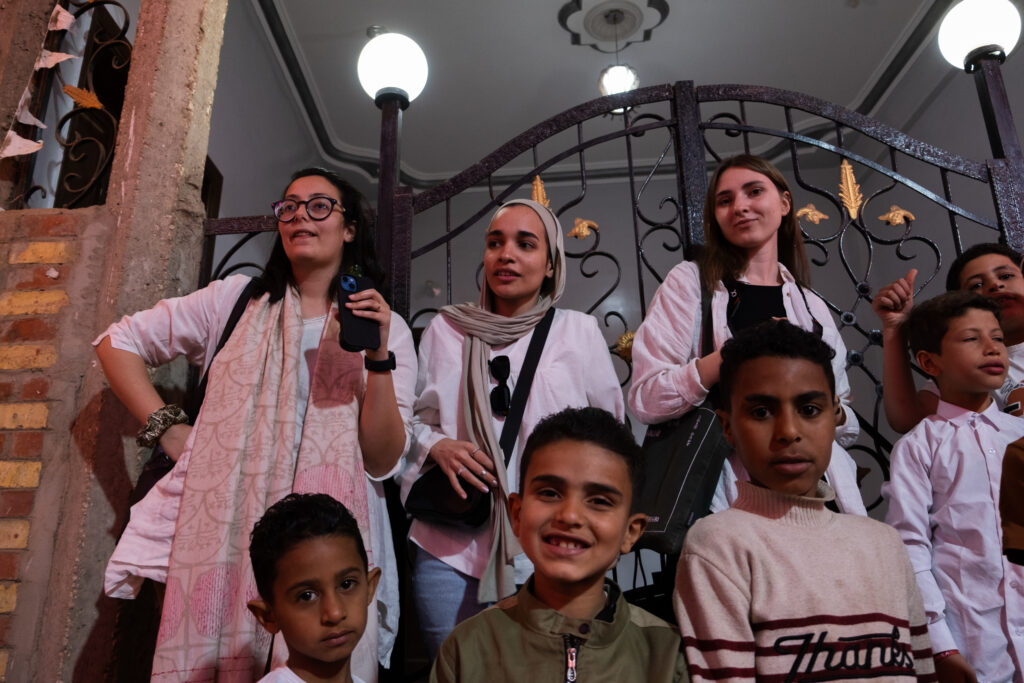
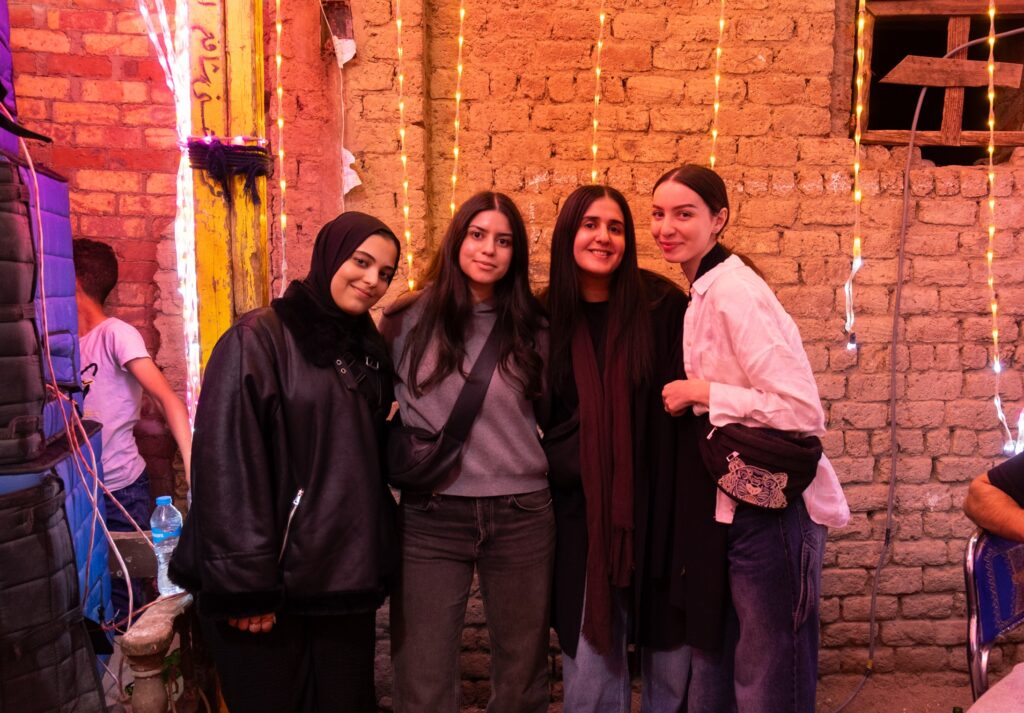
But the visit was about more than architecture. The warmth of the village embraced us, turning the day into a celebration of community. We were generously welcomed into a wedding ceremony, sharing in the joy and hospitality of the people who make Basuna so special. It was a reminder that behind every project lies a living, breathing community and that true success is measured not only in buildings, but in human connections.

Darb Al-Labbana Development Project

2025 – Cairo, Egypt.

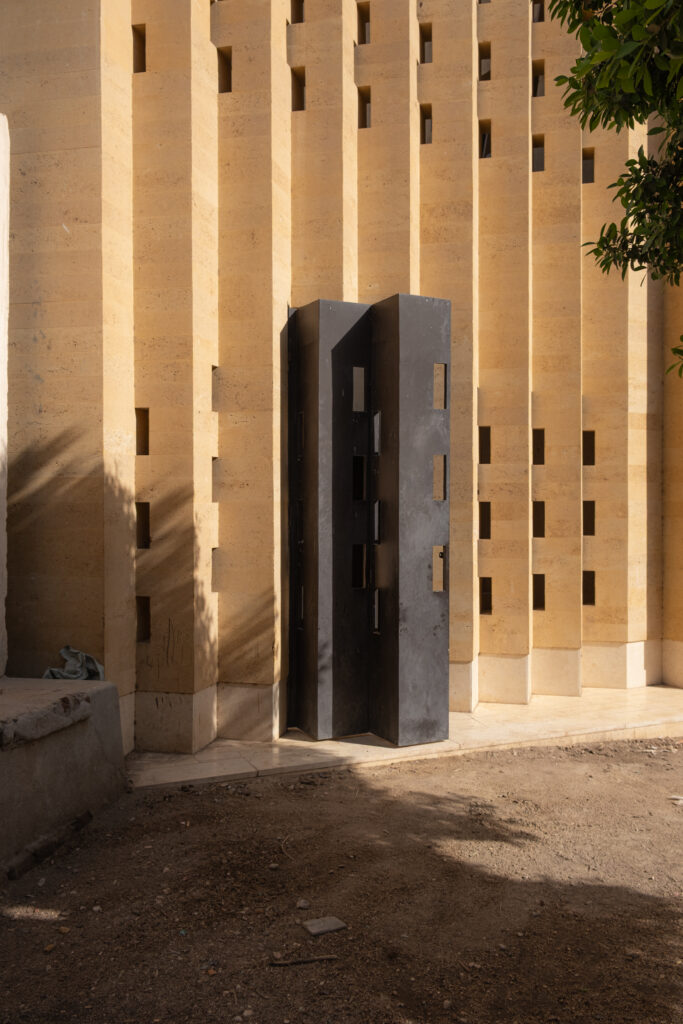
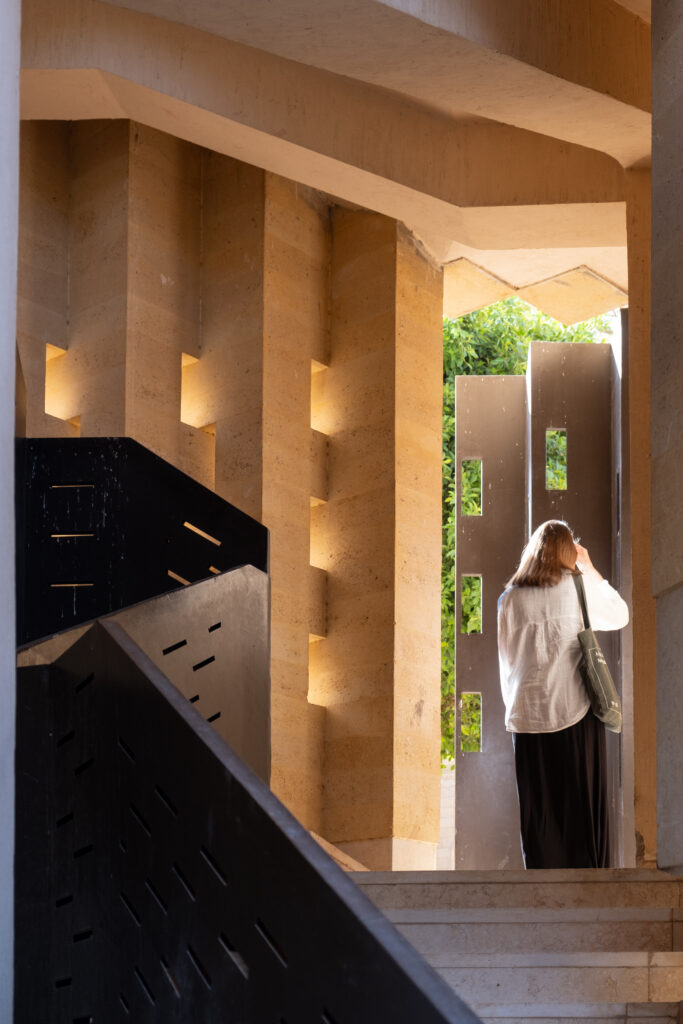
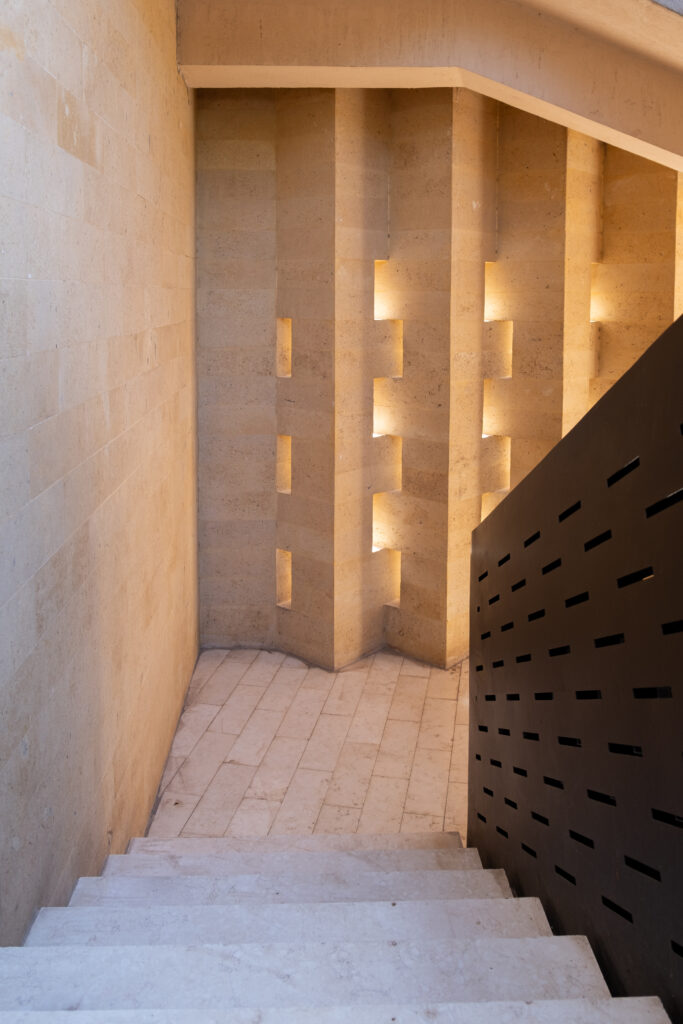
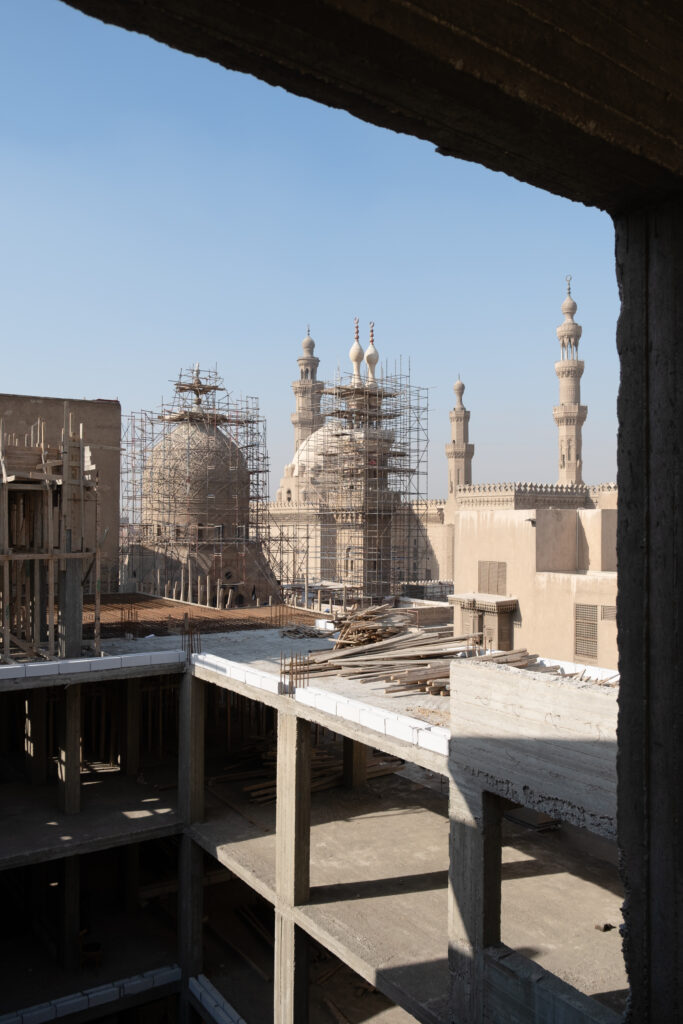
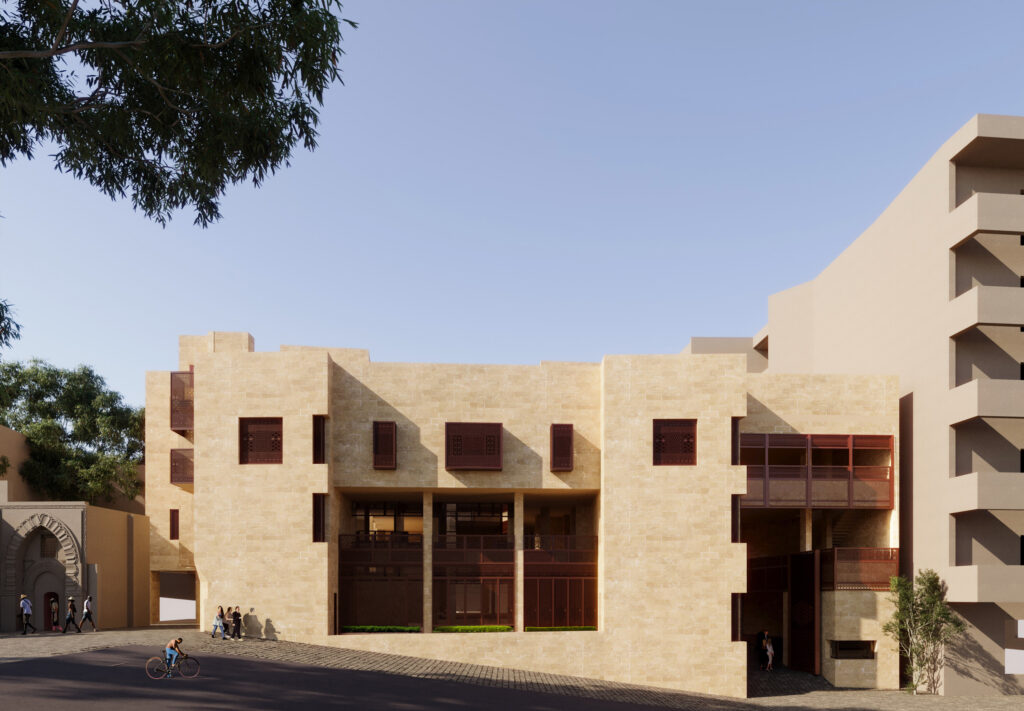
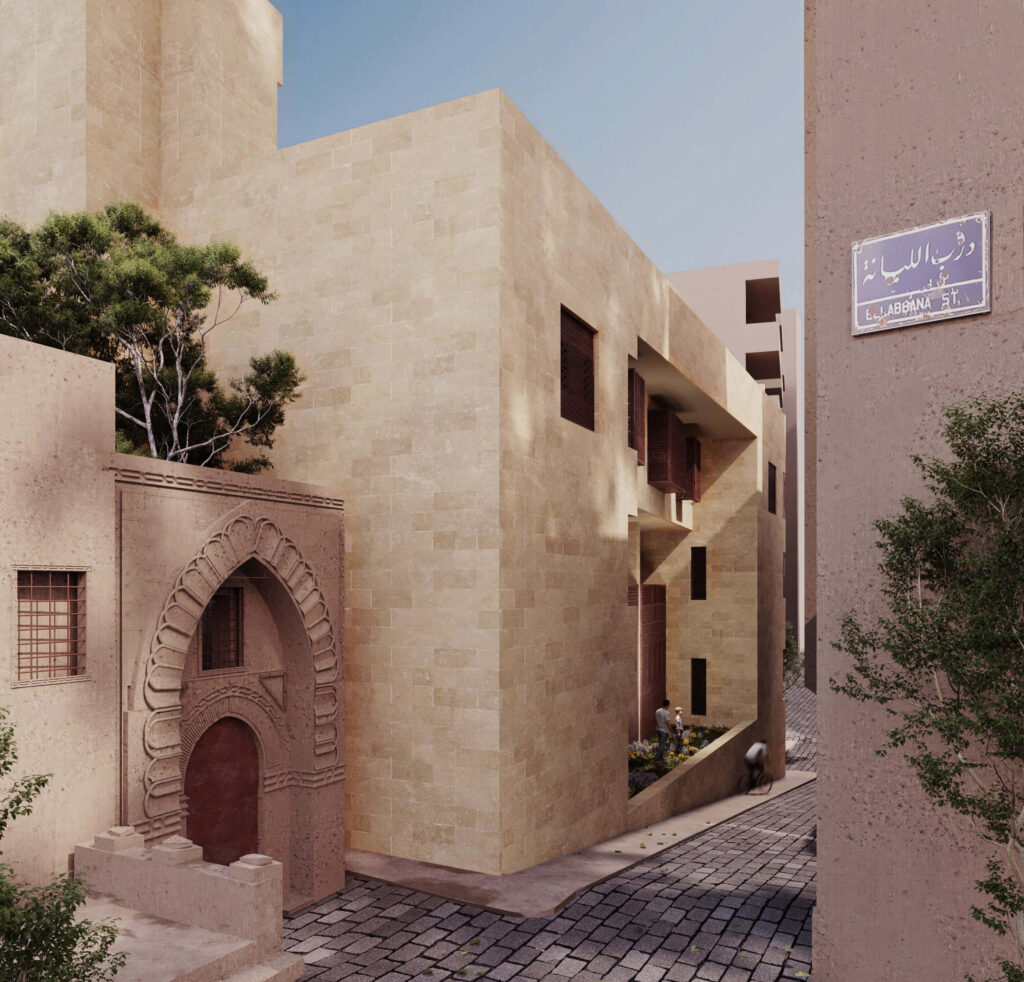
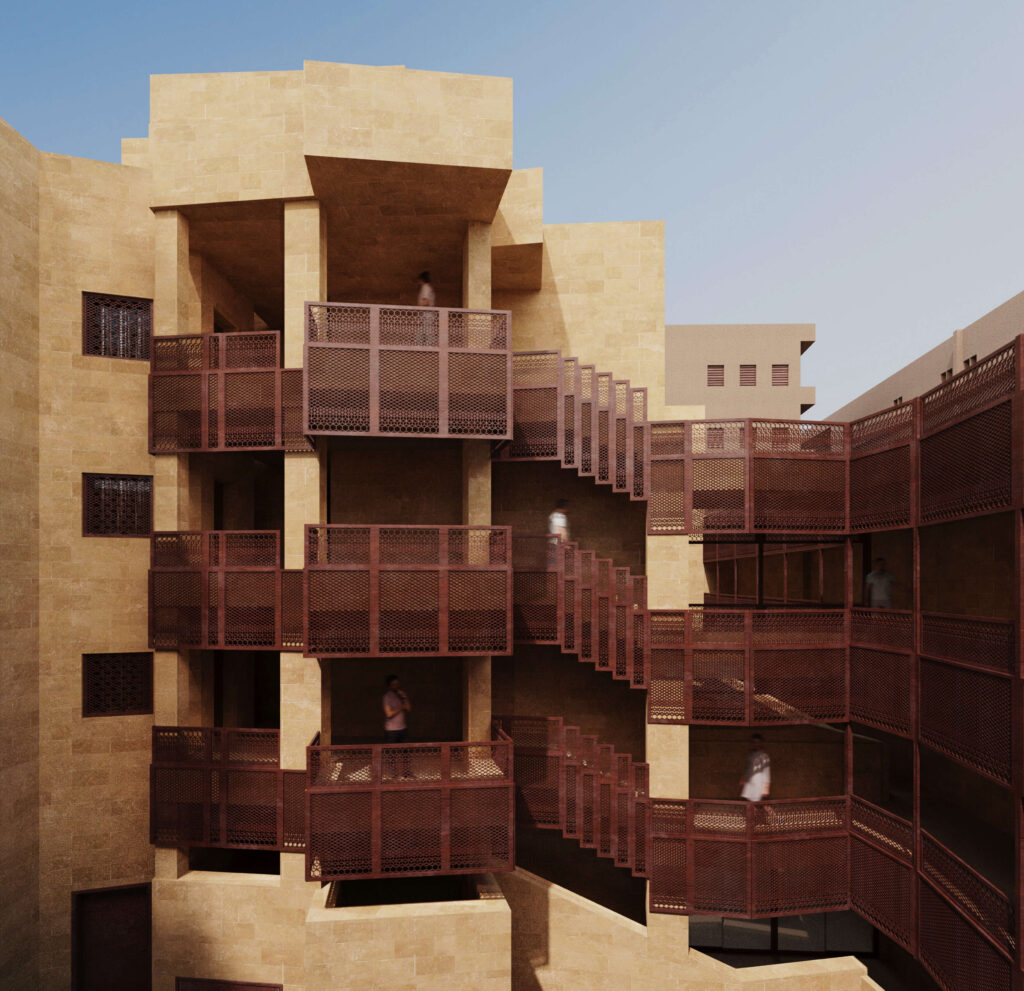
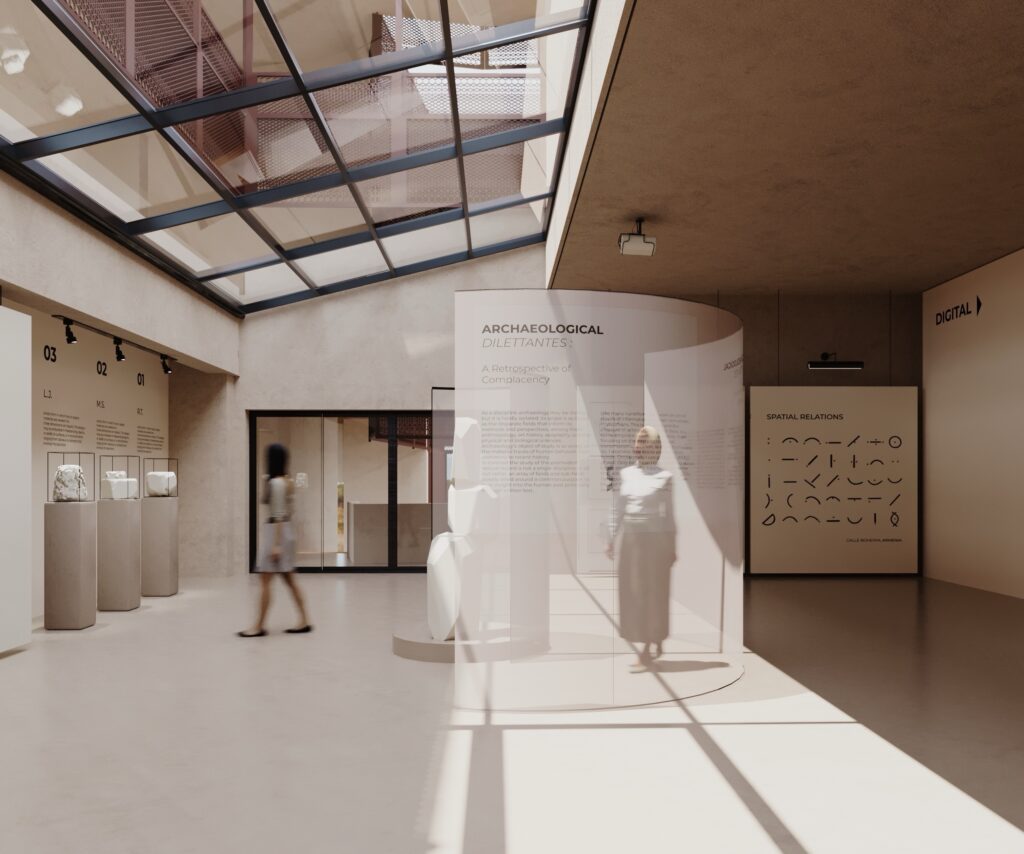
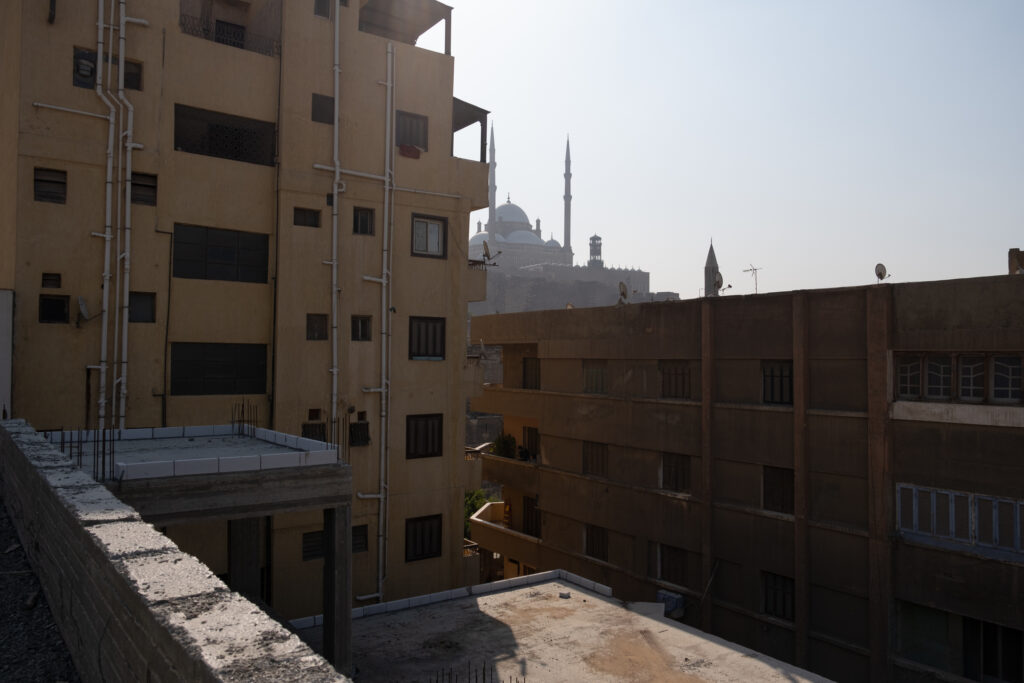
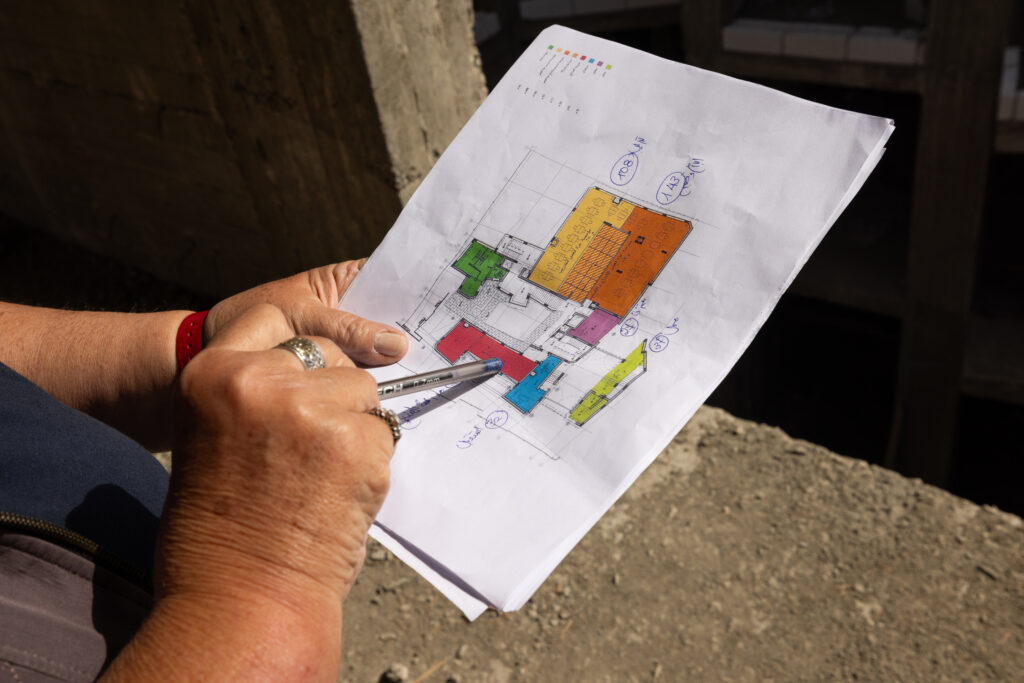
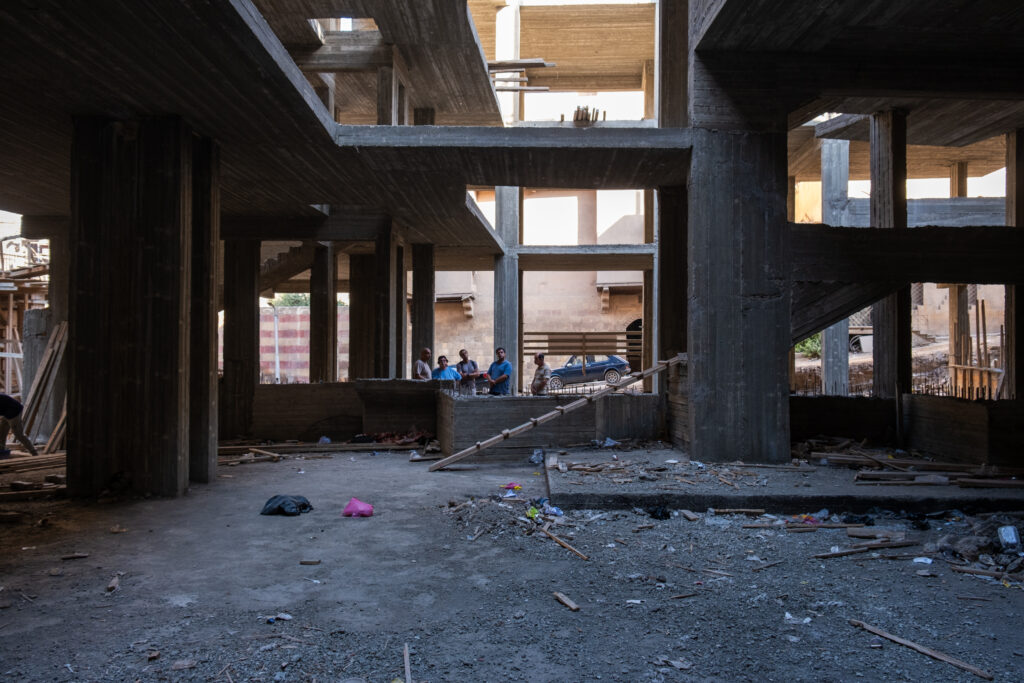
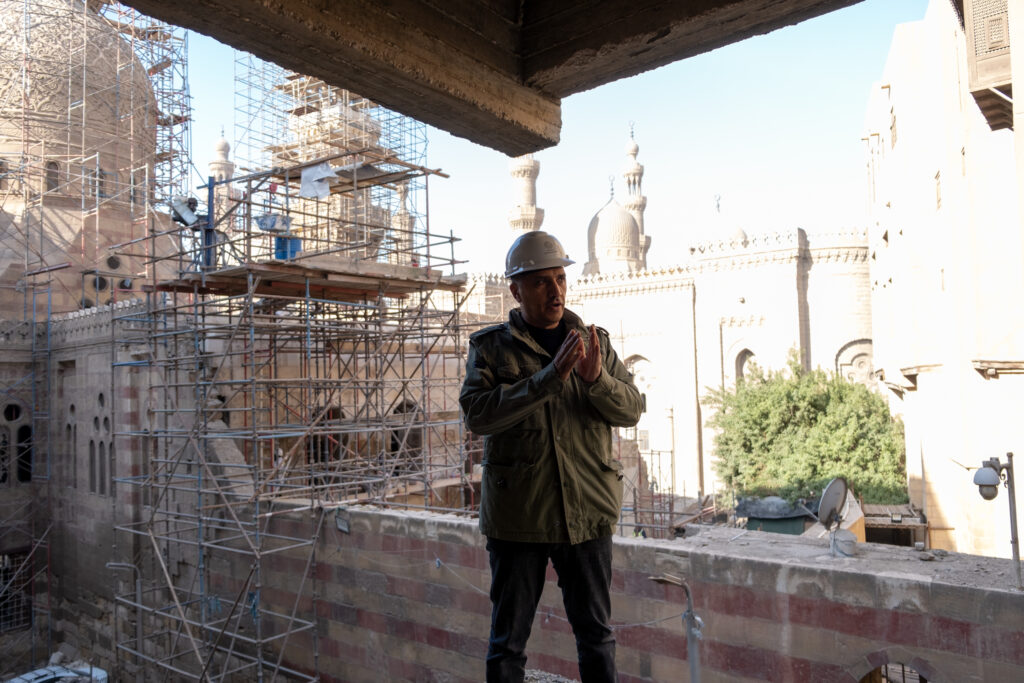
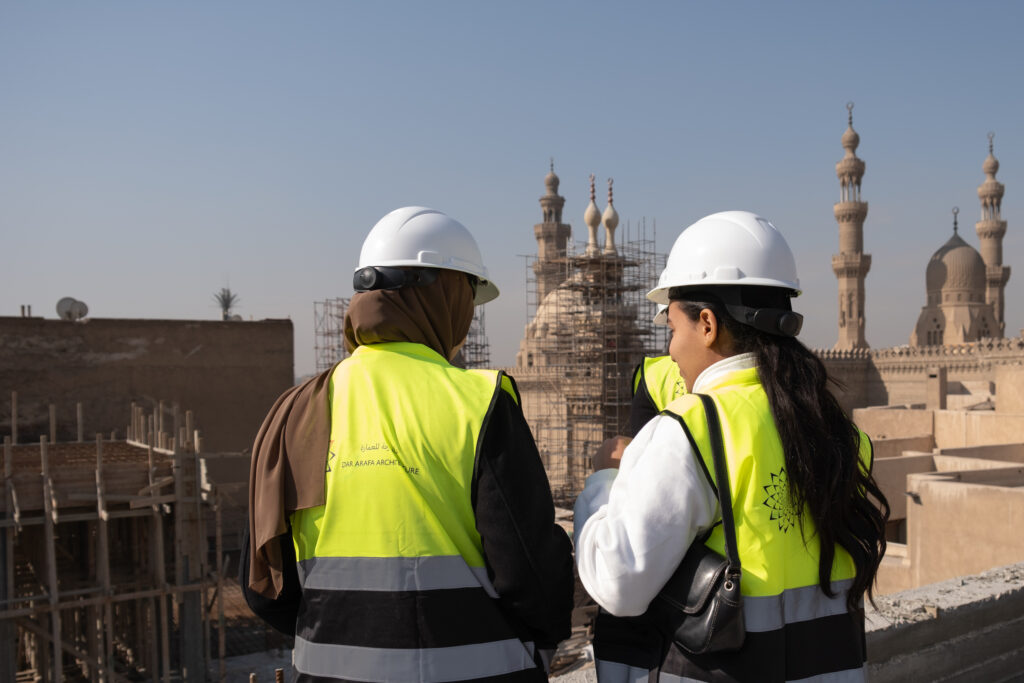
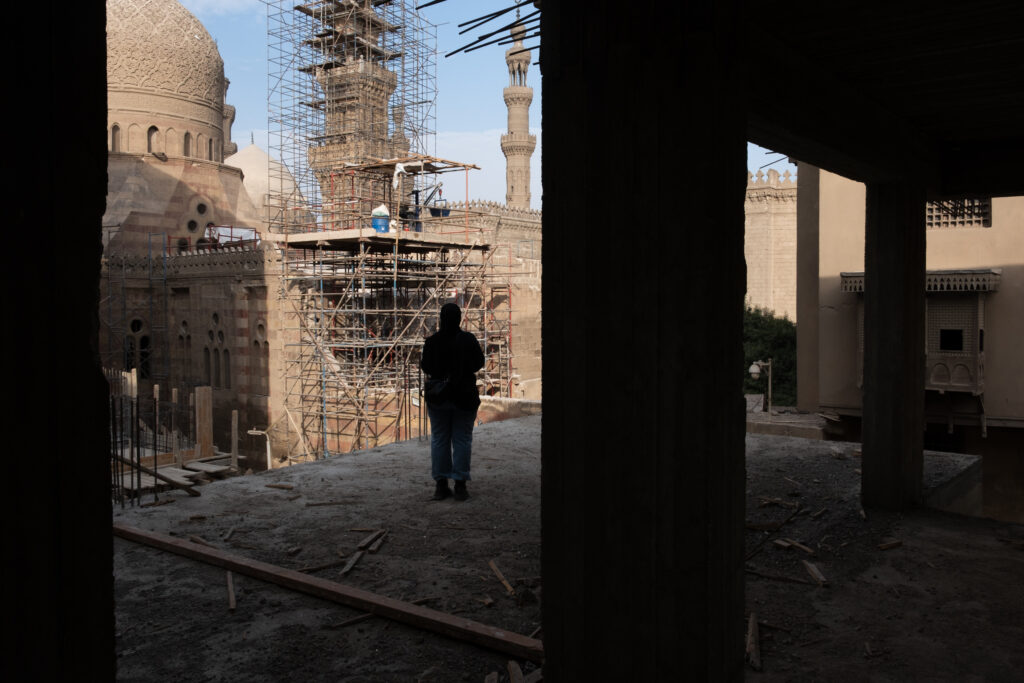
Historic Cairo Development Darb al-Labbana project assigned to Dar Arafa Architecture is an infill development on a vacant plot in front of Ali Labib’s house. Ali Labib’s house once served as a hub for modern art movements in Cairo. The house later became the residence of the prominent Egyptian architect Hassan Fathy. This Historic Cairo Development Darb al-Labbana project is part of a broader master plan, led by Dr. Nairy Hampikian, which aims to restore the neighborhood of Darb al-Labbana and reintegrate local residents after the area’s revitalization planned by the Urban Development Fund an affiliate of the of the Prime Minister’s Council. The project consists of a three-story building designed primarily for cultural purposes. It offers spaces for teaching, workshops, a library, archives, museum and commercial activities. The building’s design adheres to the regulations of Historic Cairo, respecting both the historic urban fabric and the preservation of traditional street alignments. One of the key design elements is the clearance of “Darb Rif’at,” which has been incorporated into the building’s main courtyard and highlighted by distinctive floor tiling. The facade of the building reflects the rhythm and proportions of Darb al-Labbana’s historic streetscape, adhering to regulated height limits. The design also maximizes views of the surrounding landmarks, including the domes and minarets of Sultan Hassan Mosque, al-Rifai Mosque, and Qani Bay al-Ramah complex.

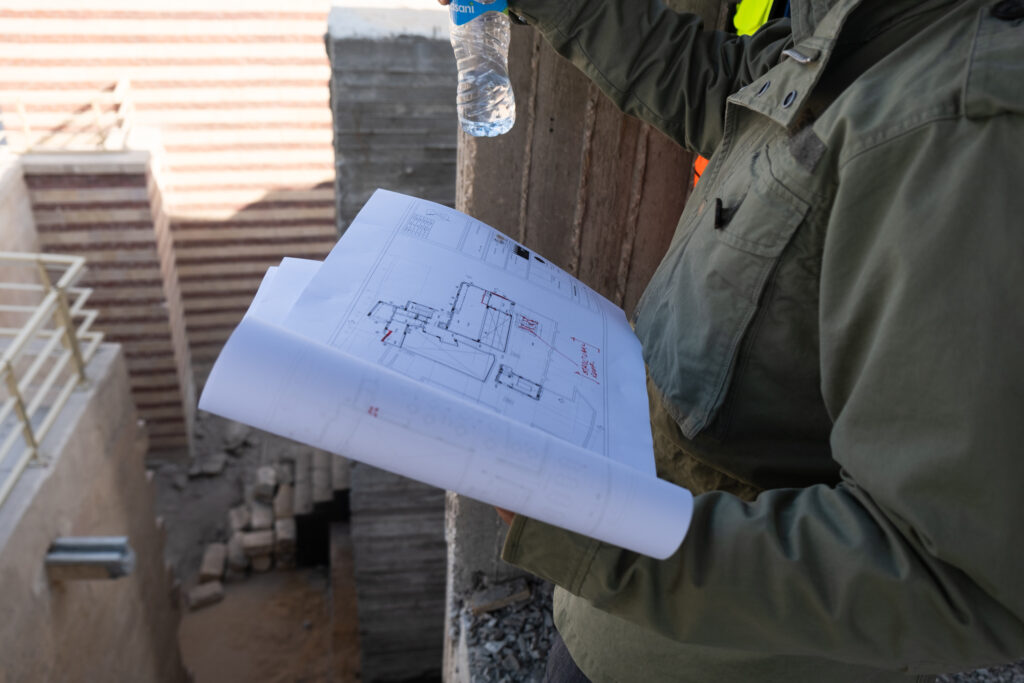
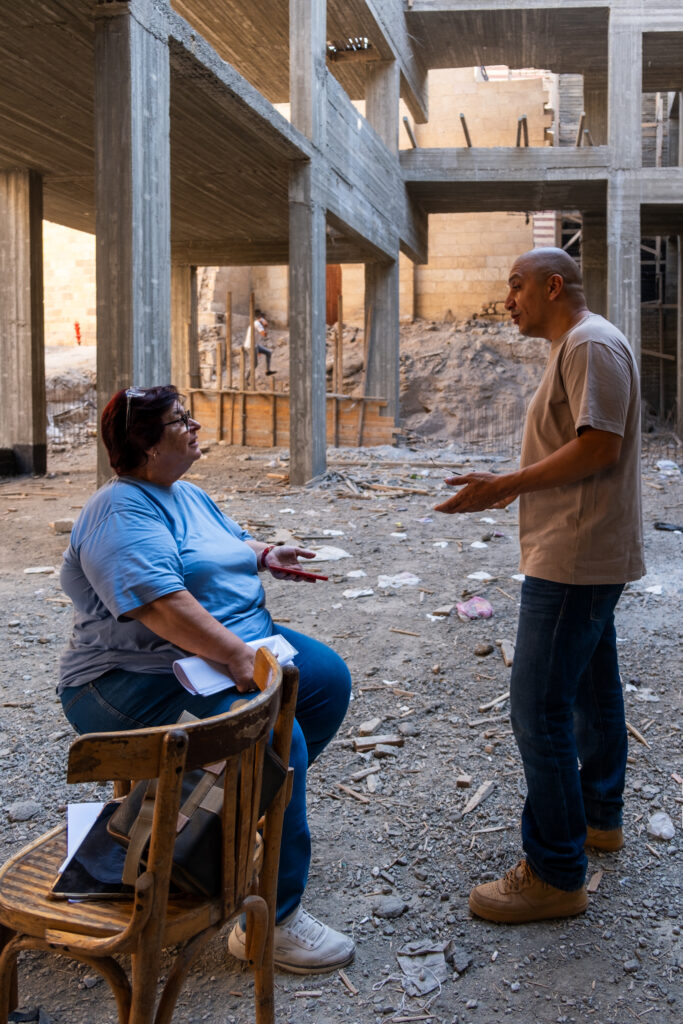
The Dar Arafa Architecture team, drawing on its design and build expertise, made it a point to visit the construction site regularly, even though supervision was not part of the contract. Taking the initiative, DAA continued to engage on-site, offering guidance and enhancing the performance of the work. This commitment reflects the office’s ethos: a deep sense of responsibility toward the rich and layered context of Historic Cairo.

Second photo is by Georges and Samuel Moshsen (The GS Studio)

This project was a defining opportunity for Dar Arafa Architecture to lead the design and execution, shaping an architectural vision rooted in innovation and responsibility. While the master planning of Darb al-Labbana was guided by Dr. Nairy Hampikian of Hampikian for Architecture and Heritage Management, her insights served as a valuable compass for ensuring contextual sensitivity. Building on that framework, Dar Arafa Architecture crafted a project that stands as both a contemporary achievement and a respectful dialogue with its historic surroundings.

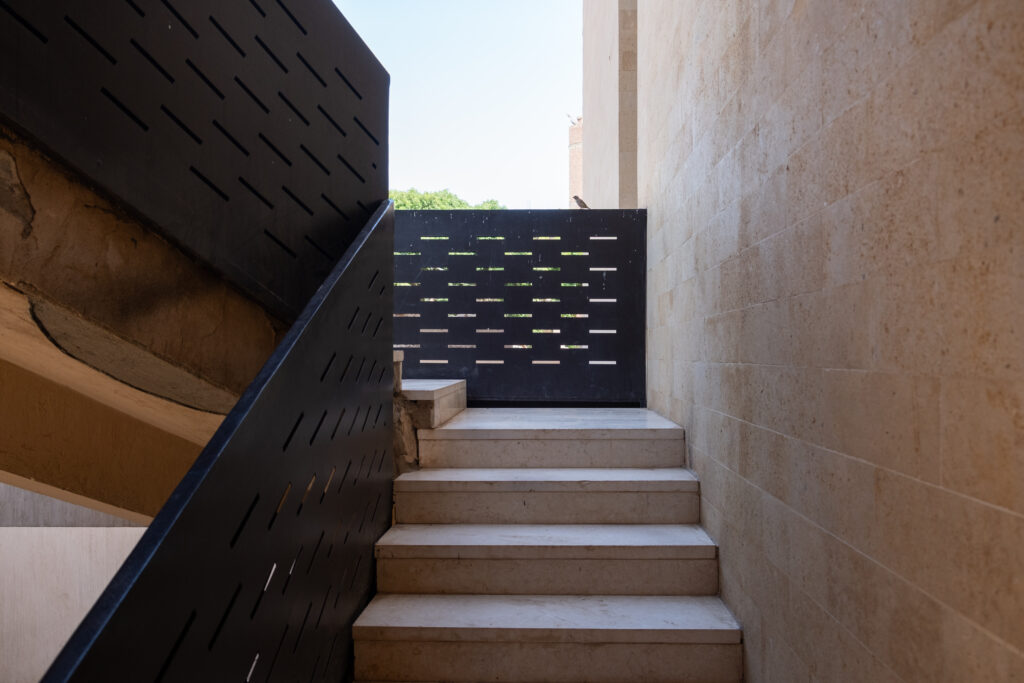
With the structural framework and walls now complete, the project is entering its finishing phase, where stone cladding and interior works will bring the design to life.